The Traitor's Son Who Quietly Helped End the Revolution
There is a version of Benjamin Franklin's story that most Americans know by heart. The kite. The key. The bifocals. The genius statesman who crossed the Atlantic and charmed Paris into backing a revolution. It's a clean, triumphant narrative — one that conveniently leaves out the part where his own son spent years rotting in a Connecticut prison for choosing the other side.
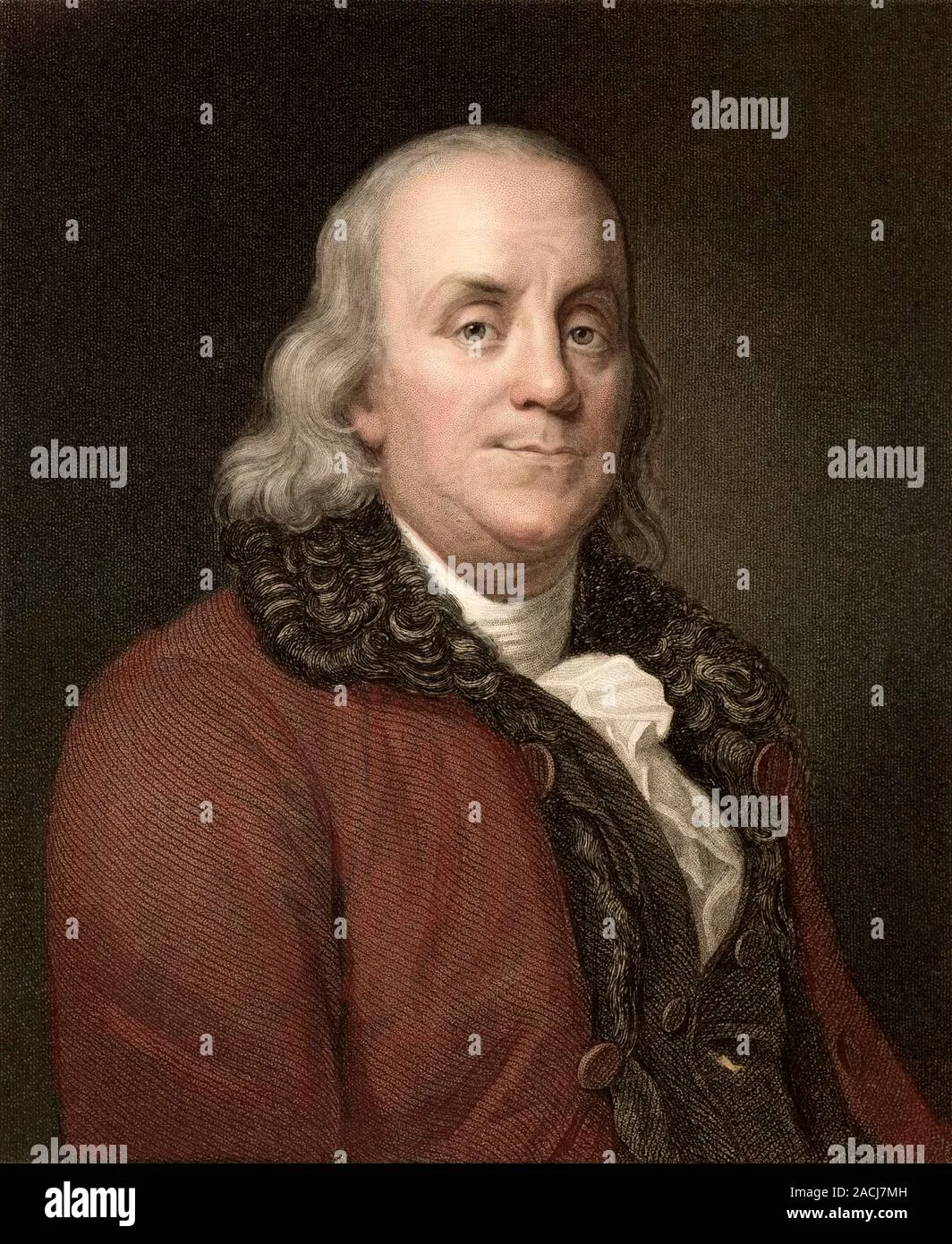 Photo: Benjamin Franklin, via c8.alamy.com
William Franklin never made it into the mythology. But that doesn't mean he didn't matter.
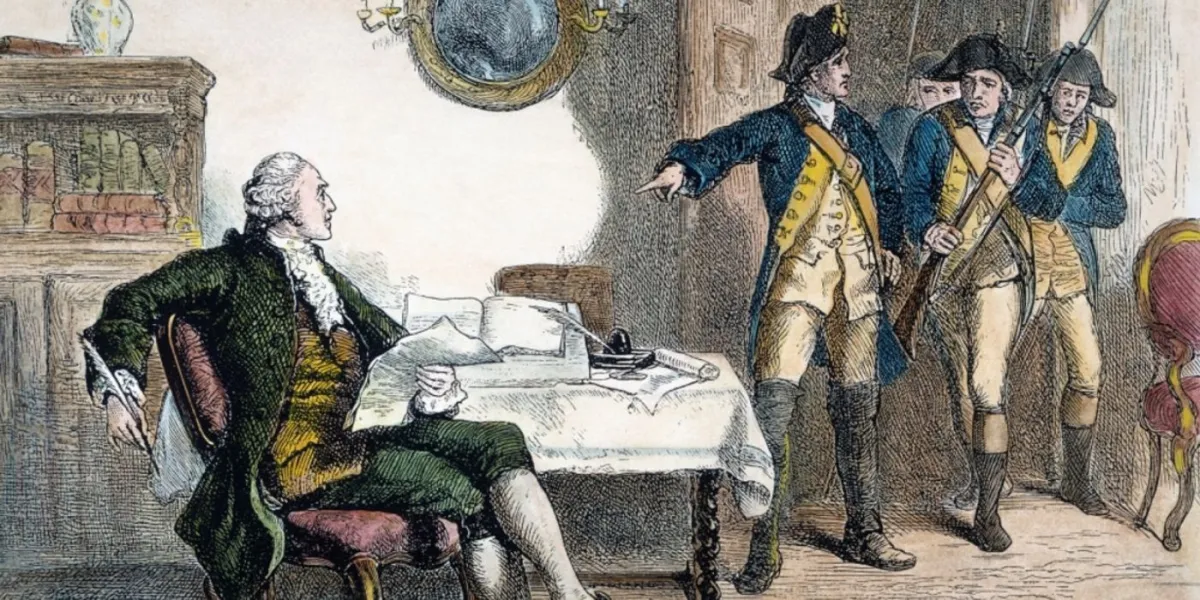 Photo: William Franklin, via static1.srcdn.com
The Governor Who Chose the Crown
By the time the Revolution broke out in earnest, William Franklin was already a success story in his own right. He had served as Royal Governor of New Jersey for over a decade, respected even by colonists who disagreed with his politics. He was sharp, diplomatic, and — unlike his famously self-made father — deeply invested in the legitimacy that came with rank and institution.
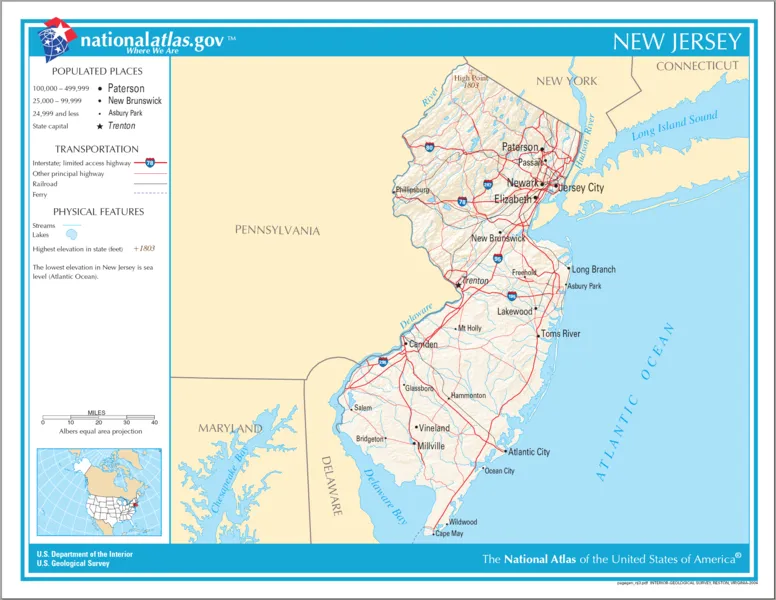 Photo: New Jersey, via www.ducksters.com
When the break came, William didn't waver. He stayed loyal to the Crown, not out of blind obedience, but because he genuinely believed colonial independence was a catastrophic mistake. He thought his father's revolution would end in chaos. He wasn't entirely wrong about the chaos part.
Benjamin Franklin never forgave him. Their correspondence dried up. Their relationship, already complicated by the fact that William was Benjamin's illegitimate son raised in complicated circumstances, collapsed entirely. When William was arrested in 1776 and held without trial for two years in brutal conditions, Benjamin made no serious effort to secure his release. The silence between them became one of the Revolution's quieter tragedies.
Exile and an Unexpected Vantage Point
After his release in a prisoner exchange, William made his way to British-held New York and eventually to London, where he became a leading figure among American Loyalist exiles. He helped found the Board of Associated Loyalists and spent years lobbying the British government to protect the interests of those who had backed the Crown.
He lost most of those fights. The Loyalists were, in the end, largely abandoned — their property confiscated, their futures in America extinguished. But the experience gave William something unusual: an intimate knowledge of how both sides of the Atlantic thought, what they wanted, and — critically — what they feared.
He understood British war fatigue better than most colonists ever could. He knew the internal debates, the political pressures, the specific anxieties of a government trying to figure out how to exit a war it could no longer win without losing face entirely. And he understood the new American republic's vulnerabilities in ways that those still riding the high of victory sometimes couldn't see clearly.
Backrooms and Bitter Wisdom
When peace negotiations began in Paris in 1782, William was not at the table. He was in London, bitter and largely broke, a man the new American government considered a traitor and the British government considered a liability. But he was talking — to Loyalist networks, to British officials, to anyone who would listen.
Historians have long debated the precise contours of William's influence on the Treaty of Paris. He was not a formal negotiator. His name does not appear on the document. But the back-channel conversations he was part of — particularly regarding the treatment of Loyalists, compensation for confiscated property, and the specific language around British withdrawal — left fingerprints on the final terms that are hard to ignore entirely.
Benjamin Franklin, leading the American delegation in Paris, was a genius at the grand gesture and the philosophical argument. But he needed people on the British side who could speak candidly, who had credibility in London's corridors, and who understood the Loyalist question from the inside. William, despite everything, was one of the few people alive who could operate in that space.
The treaty's provisions regarding Loyalists were, famously, weak — a vague promise that Congress would "earnestly recommend" the states restore confiscated property, which most states promptly ignored. Whether William pushed for stronger protections and failed, or whether his involvement helped soften British demands elsewhere in exchange for that weakness, remains a matter of historical debate. What's clear is that he was present in the ecosystem that produced the final agreement, and that his unique position as a man belonging fully to neither side gave him a kind of access that more celebrated figures didn't have.
What Exile Teaches You
Father and son met one final time in 1785, in Southampton. Benjamin was on his way home to Philadelphia, celebrated and beloved. William was going nowhere in particular. The meeting was brief and cold. They never saw each other again. Benjamin's will, written years earlier, left William almost nothing — a pointed gesture from a man who understood the power of symbols.
What's strange and worth sitting with is this: the very things that made William Franklin a failure by the standards of the Revolution — his loyalty to the losing side, his exile, his outsider status in the post-war world — were precisely what made him useful in its final chapter. He had no reputation left to protect among the Americans. He had no illusions about British benevolence. He had spent years learning how the people across the table actually thought, not how they presented themselves in official dispatches.
Being cut off from the establishment, it turns out, can give you a clearer view of how to end a conflict. Not because suffering produces wisdom automatically — it doesn't — but because the person with nothing left to lose is sometimes the only one willing to say what everyone else is dancing around.
The Treaty of Paris ended a revolution. Benjamin Franklin got the credit. His exiled, discredited son helped clear a path nobody wanted to acknowledge. History moved on. The wrong path, as usual, did some of the heaviest lifting.