There's a particular kind of humiliation that only a medical school can deliver. It arrives in the form of a grade sheet, a professor's disappointed stare, or a quiet conversation in a hallway that ends with the suggestion that perhaps you should reconsider your future. For one of America's most consequential surgical pioneers, that humiliation arrived early and often — and it turned out to be the best thing that ever happened to him.
His name was Daniel Hale Williams. He grew up in Hollidaysburg, Pennsylvania, the son of a barber, the fifth of seven children, and a young man who seemed, by every conventional measure, to be heading nowhere near a hospital.
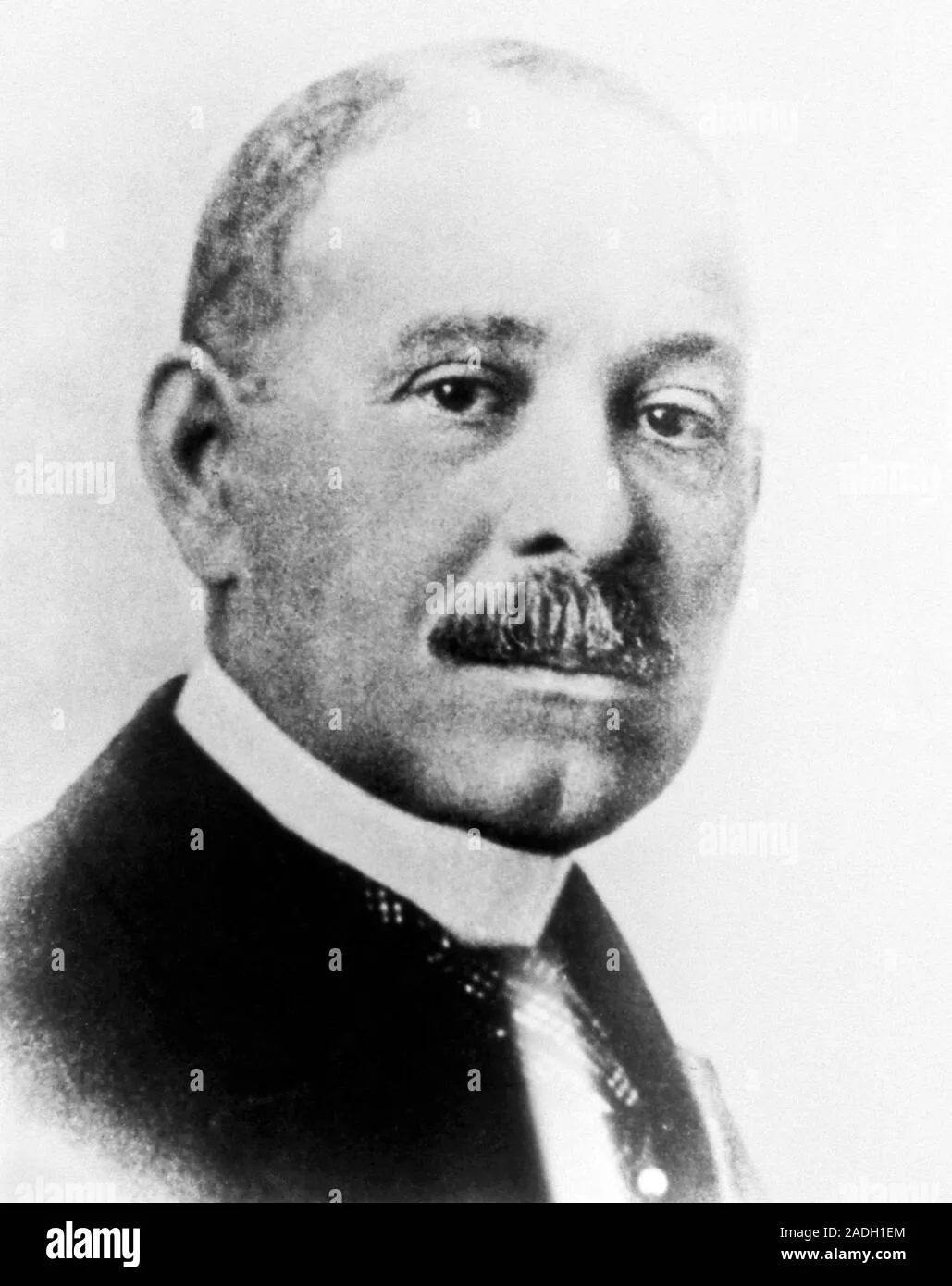 Photo: Daniel Hale Williams, via c8.alamy.com
The Wrong Start
Williams came to medicine sideways. He apprenticed under a physician in Janesville, Wisconsin — not because he had a clear plan, but because the opportunity was there and he was smart enough to grab it. When he finally enrolled at Chicago Medical College in 1880, he was already older than most of his classmates, already behind in the unofficial race that medical education runs on, and already carrying the weight of being one of the few Black students in the building.
Anatomy broke him, at first. The coursework was dense, the terminology unforgiving, and the culture of the institution offered no particular warmth to someone who looked like Williams. He struggled. He repeated work. He was told, in the way that institutions tell people things without quite saying them aloud, that perhaps this path wasn't for him.
But Williams had a quality that his professors hadn't accounted for: he couldn't stop looking at problems from the outside. Because he was never fully inside the establishment — never fully trusted by it, never fully welcomed into its casual networks of mentorship and support — he developed the habit of questioning assumptions that everyone else had long since stopped examining.
The Closed Door That Built an Open Hospital
After graduating in 1883, Williams set up practice on Chicago's South Side, serving a community that most of the city's white physicians had no interest in reaching. What he found there was a medical desert — Black patients turned away from hospitals, Black nurses unable to train anywhere in the city, Black doctors without surgical privileges at any established institution.
So he built his own.
Provident Hospital, which Williams founded in 1891, was the first non-segregated hospital in the United States. It was also the first to establish a nursing training program for Black women. It was, in the most literal sense, an institution born from exclusion — a direct consequence of every door that had been shut in Williams's face and the faces of the people he served.
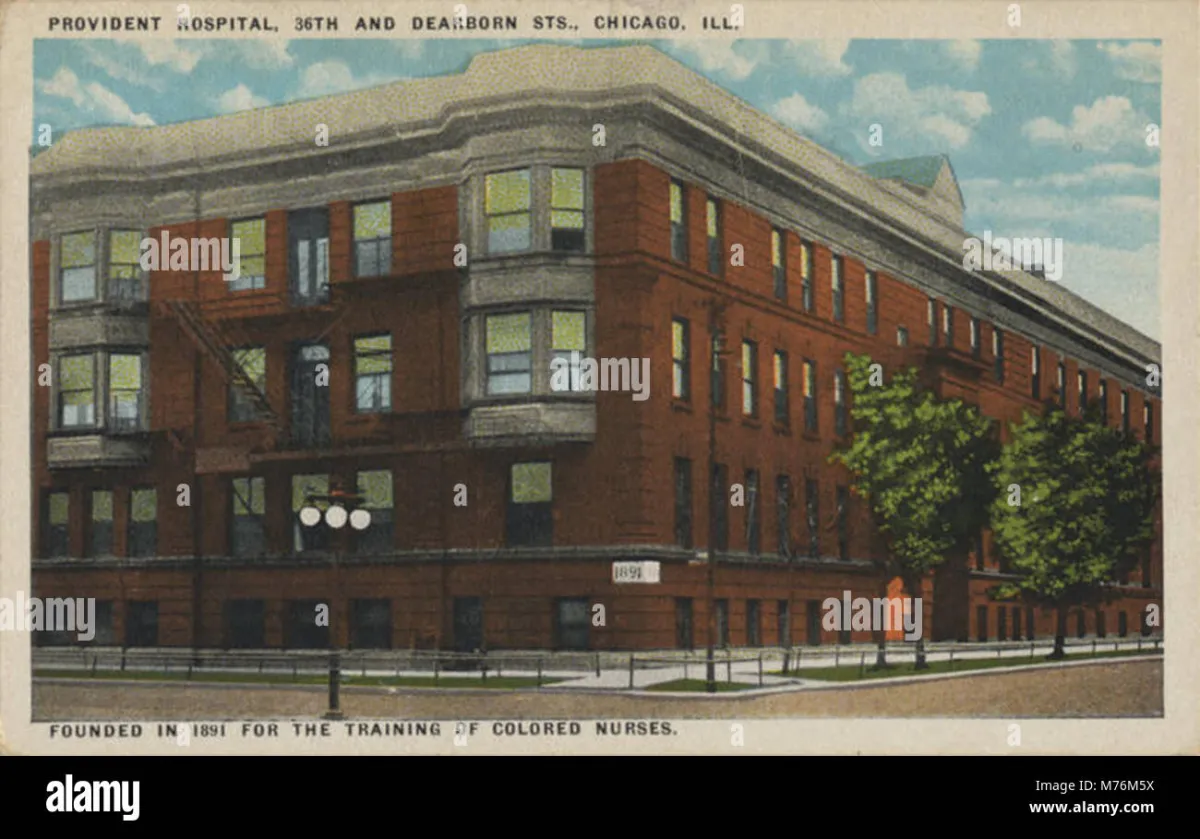 Photo: Provident Hospital, via c8.alamy.com
The hospital was modest. The resources were thin. The equipment was nothing like what the prestigious institutions on the other side of the city could offer. But the necessity of doing more with less had been quietly training Williams for years.
The Night That Changed Everything
On July 9, 1893, a young man named James Cornish was brought into Provident Hospital with a stab wound to the chest. He was dying. The knife had pierced the pericardium — the sac surrounding the heart — and no surgeon in American history had ever successfully operated directly on the organ. The conventional medical wisdom of the era held that such an operation was essentially a death sentence, that touching the heart was beyond the reach of surgical intervention.
Williams didn't have the luxury of conventional wisdom. He had a dying man on a table, a small team, no X-ray equipment, no blood transfusion capability, and no precedent to follow. He opened the chest, sutured the pericardium, and closed.
Cornish lived. He lived for another fifty years.
The operation — widely recognized as the first successful open-heart surgery in recorded American medical history — made headlines across the country. Williams became famous almost overnight. The man who had struggled through anatomy, who had been quietly directed toward the exit by the institutions that were supposed to shape him, had just done something no trained surgeon had managed to accomplish.
The Establishment Catches Up
The medical community's response was complicated, as it often is when an outsider breaks through. Williams was eventually appointed to Freedmen's Hospital in Washington, D.C., where he continued to train Black surgeons and nurses at a time when almost no one else was doing so. He became a charter member of the American College of Surgeons in 1913. His techniques were studied, adapted, and incorporated into the standard practice of cardiac and thoracic surgery.
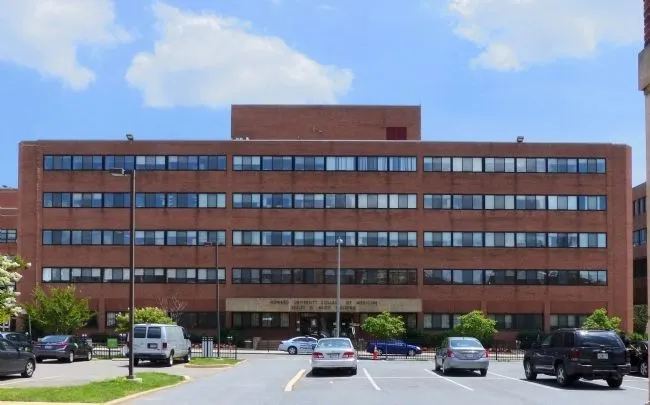 Photo: Freedmen's Hospital, via www.hmdb.org
But recognition came slowly and, in some corners, reluctantly. The history of American medicine spent decades filing Williams in footnotes rather than headlines. His contribution to surgical technique was real and documented, but the full story — the poverty, the exclusion, the anatomy failure, the South Side clinic, the borrowed instruments — took much longer to tell.
What the Failure Actually Built
Here's the part that the official histories tend to gloss over: Williams's surgical breakthrough wasn't despite his unconventional path. It was because of it.
A surgeon who had been smoothly absorbed into the elite institutions of late-nineteenth-century American medicine would have inherited their assumptions along with their privileges. He would have learned, as his peers learned, that the heart was untouchable. He would have had access to better equipment and worse questions.
Williams, shut out and forced to improvise from the beginning, never fully absorbed the idea that certain things couldn't be done. His anatomy struggles, his outsider status, his underfunded hospital, his patients who had nowhere else to go — all of it conspired to produce a surgeon who approached the impossible with the calm pragmatism of someone who had never been told the rules applied to him in the first place.
The man who flunked anatomy didn't just perform a historic surgery. He built the infrastructure — the hospital, the training programs, the professional networks — that allowed generations of Black physicians and nurses to enter American medicine at all. The wrong path through medical school didn't just lead to one operating table. It led to thousands.
Somewhere in a hospital right now, a cardiac surgeon is working on a technique that traces its lineage back to a South Side Chicago operating room in 1893, and to a student who couldn't quite get anatomy right and couldn't quite stop trying anyway.