When the Worst Boss in History Built the Best Company Culture by Accident
The Man Who Drove Away a Fortune
In 1956, William Shockley had everything going for him. Fresh off winning the Nobel Prize for inventing the transistor, he returned to his hometown of Palo Alto with dreams of building a semiconductor empire. He assembled what he called "the most brilliant team of young engineers in America." Within two years, eight of them had walked out the door.
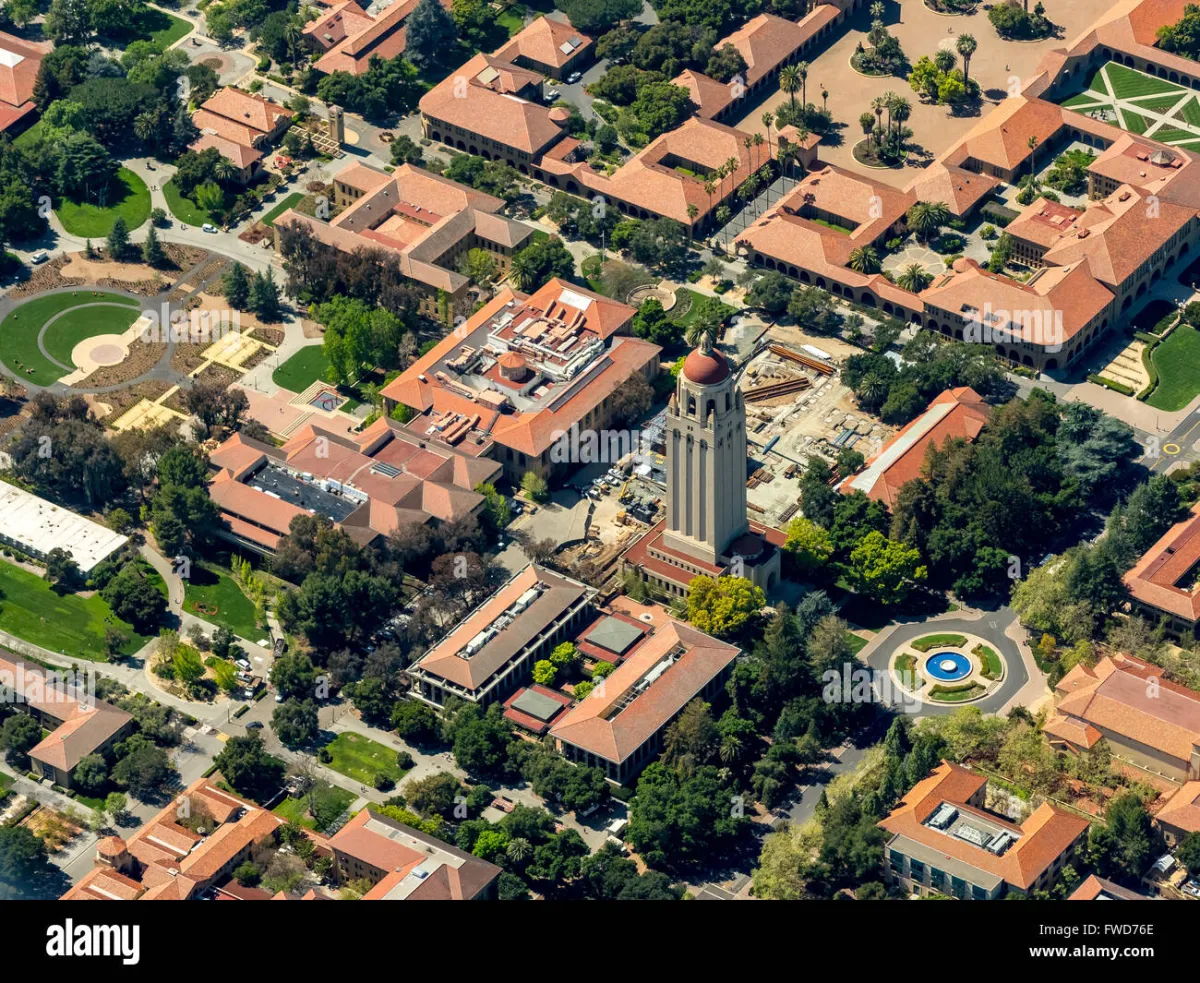 Photo: Palo Alto, via c8.alamy.com
 Photo: William Shockley, via t4.ftcdn.net
Those eight engineers didn't just quit—they went on to found Intel, AMD, and a dozen other companies that would transform a sleepy California valley into the global center of innovation. Shockley's toxic leadership style didn't destroy Silicon Valley. It created it.
The Nobel Prize Winner Nobody Could Work With
Shockley Semiconductor Laboratory should have been the birthplace of the computer age. The company had the smartest founder, the best technology, and unlimited financial backing. What it didn't have was a leader who understood human beings.
Shockley treated his engineers like lab rats. He installed lie detectors to catch whoever had damaged a door. He required psychological evaluations for all employees. He publicly humiliated anyone who questioned his methods. Gordon Moore, who would later co-found Intel, remembered feeling like he was "working for a madman."
 Photo: Gordon Moore, via showbizznieuws247.nl
The breaking point came when Shockley demoted several senior engineers without explanation, convinced that younger employees were more malleable. Instead of compliance, he got resignation letters.
The Great Exodus That Changed Everything
On September 18, 1957, eight of Shockley's top engineers—later dubbed "the Traitorous Eight"—simultaneously quit to start Fairchild Semiconductor. Shockley was furious, calling them traitors and predicting they would fail within months.
He was spectacularly wrong. Fairchild became the most successful semiconductor company of the 1960s. But more importantly, it became a training ground for the entire tech industry. When Fairchild's own corporate culture grew stale, its employees did something unprecedented—they left to start their own companies.
The Accidental Culture Revolution
Robert Noyce and Gordon Moore left Fairchild to found Intel in 1968. Jerry Sanders started AMD. Eugene Kleiner became one of Silicon Valley's first venture capitalists. Dozens of other Fairchild alumni went on to start or fund hundreds of companies, creating what historians now call the "Fairchild Family Tree."
But here's the twist: they all carried with them a shared trauma from working under Shockley. They had learned firsthand what happened when brilliant people were micromanaged, humiliated, and treated like interchangeable parts. So they built something different.
The Anti-Shockley Management Philosophy
Intel's early culture was deliberately designed to be everything Shockley's lab wasn't. Instead of hierarchical command structures, they created flat organizations. Instead of secretive decision-making, they instituted open communication. Instead of punishing failure, they celebrated intelligent risk-taking.
This wasn't just good management—it was revolutionary. Traditional corporations in the 1960s operated like military organizations, with rigid chains of command and punishment for stepping out of line. Silicon Valley companies operated more like jazz bands, with improvisation and collaboration built into their DNA.
The Ripple Effect That Never Stopped
The culture that emerged from Shockley's failures didn't stay contained in semiconductor companies. When software became big business, the same management philosophy spread to companies like Apple, Microsoft, and Google. When the internet exploded, it powered the growth of Amazon, Facebook, and Netflix.
Even today, Silicon Valley's obsession with "failing fast," flat hierarchies, and employee empowerment can be traced back to a group of engineers who swore they would never work for another William Shockley.
The Irony of Innovation
Shockley spent his final decades bitter and largely forgotten, watching former employees become billionaires while he struggled to keep his own companies afloat. He never understood that his greatest contribution to technology wasn't the transistor—it was teaching an entire generation of entrepreneurs exactly how not to lead.
The man who should have been Silicon Valley's founding father instead became its cautionary tale. And in doing so, he accidentally created something far more valuable than any single company: a culture that would reshape the global economy.
Sometimes the wrong path leads to the right destination. William Shockley proved that even terrible leaders can change the world—just not in the way they intended.