Too Ordinary for Radio: How Mary Margaret McBride Accidentally Invented the Talk Show
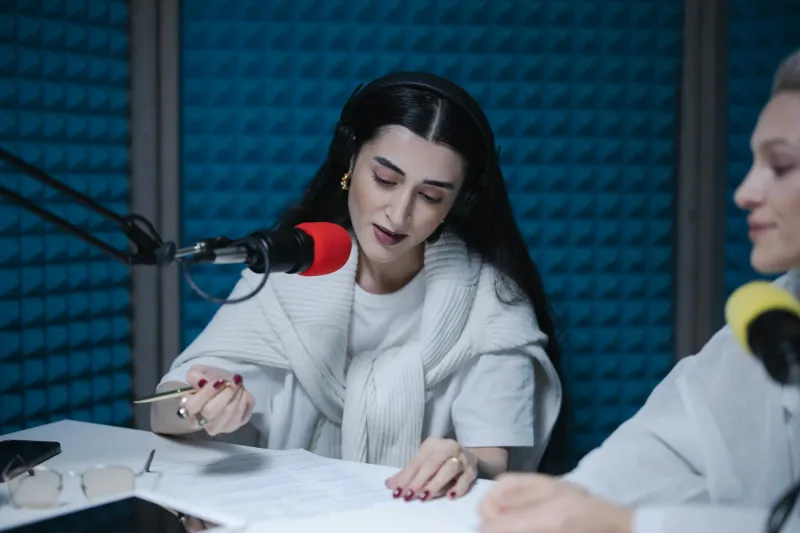
The Voice They Said Was All Wrong
In 1934, when Mary Margaret McBride first walked into the studios of WOR radio in New York, the executives took one look at her and knew exactly what they were dealing with: a problem. She was too plain, too conversational, too much like someone you'd meet at a church social in Missouri — which, coincidentally, was exactly where she'd grown up. Radio in the 1930s was supposed to be polished, formal, and performed by people who sounded like they'd studied elocution at finishing schools. McBride sounded like she'd learned to talk by chatting with neighbors over the back fence.
 Photo: Mary Margaret McBride, via img.agrofoto.pl
What the executives didn't realize was that they were about to witness the birth of a revolution. McBride's supposedly amateur approach to broadcasting would become the foundation of every talk show format that followed — from morning television programs to late-night interviews to the intimate conversations that fill our podcast feeds today. Sometimes the most profound changes come from people who don't know they're supposed to follow the rules.
The Midwest Transplant Who Talked Too Much
McBride had arrived in New York by way of the kind of circuitous route that would become her trademark storytelling style. Born in Paris, Missouri, she'd worked as a newspaper reporter, magazine writer, and author of romance novels before radio came calling. Her background was in print journalism, where conversational writing was a liability and purple prose was the coin of the realm.
 Photo: Paris Missouri town, via images.ctfassets.net
When WOR offered her a fifteen-minute daily show, it was more desperation than inspiration. The slot — 1:15 to 1:30 p.m. — was radio's equivalent of Siberia, a dead zone between the morning housework shows and afternoon soap operas. The format they assigned her was equally uninspiring: read commercials, share household tips, and fill the remaining time with whatever seemed appropriate for the housewives they assumed were her only possible audience.
McBride looked at this assignment and did what came naturally: she ignored it completely.
Breaking Every Rule in the Book
Instead of reading prepared scripts, McBride started talking — really talking, the way she would to a friend who'd stopped by for coffee. She told stories about her childhood in Missouri, shared her opinions on books she'd read, and described her adventures exploring New York City as a wide-eyed transplant from the Midwest. When products were sent for her to endorse, she tested them first and told her listeners exactly what she thought, even if it meant admitting that a particular face cream made her break out in hives.
The approach horrified radio professionals. McBride stumbled over words, went off on tangents, and committed the cardinal sin of dead air — actual pauses where she stopped to think about what she wanted to say next. She sounded like an amateur because, by radio standards of the day, that's exactly what she was.
But something extraordinary began happening in living rooms across New York. Women started planning their lunch schedules around McBride's show. They wrote her letters — thousands of them — sharing their own stories and asking for advice. They felt like they'd found a friend on the radio, someone who understood their lives and spoke their language.
The Accidental Innovation
Without realizing it, McBride was pioneering techniques that wouldn't become standard in broadcasting for decades. She was one of the first radio personalities to conduct genuine interviews rather than formal Q&A sessions. When celebrities came on her show, she didn't ask them about their latest projects — she asked them about their childhoods, their fears, their favorite recipes. She turned interviews into conversations, and conversations into connections.
Her approach to commercials was equally revolutionary. Instead of reading advertising copy verbatim, she wove product endorsements into personal stories. She'd describe making dinner with a particular brand of flour, complete with details about what went wrong and how she fixed it. Advertisers were initially horrified by her honesty, but they couldn't argue with results: her endorsements sold products like nothing radio had ever seen.
McBride was also among the first broadcasters to understand that intimacy, not authority, was radio's greatest strength. While other personalities projected their voices to imaginary auditoriums full of listeners, McBride spoke as if she were talking to one person — because, in her mind, she was. Each listener felt personally addressed, individually understood.
From Fifteen Minutes to an Empire
What started as a throwaway afternoon slot grew into something unprecedented. By the late 1930s, McBride's show had expanded to 45 minutes daily, and her audience had grown from a few thousand housewives to millions of listeners across the country. She was booking guests that other shows couldn't attract — presidents, movie stars, authors, and ordinary people with extraordinary stories.
Her success lay in her ability to make everyone sound interesting. Whether she was interviewing Eleanor Roosevelt or a farmer from Nebraska who'd invented a new type of corn, McBride had a gift for finding the human story behind the public persona. She asked questions that other interviewers wouldn't think to ask, and she listened to answers in ways that made her guests feel heard.
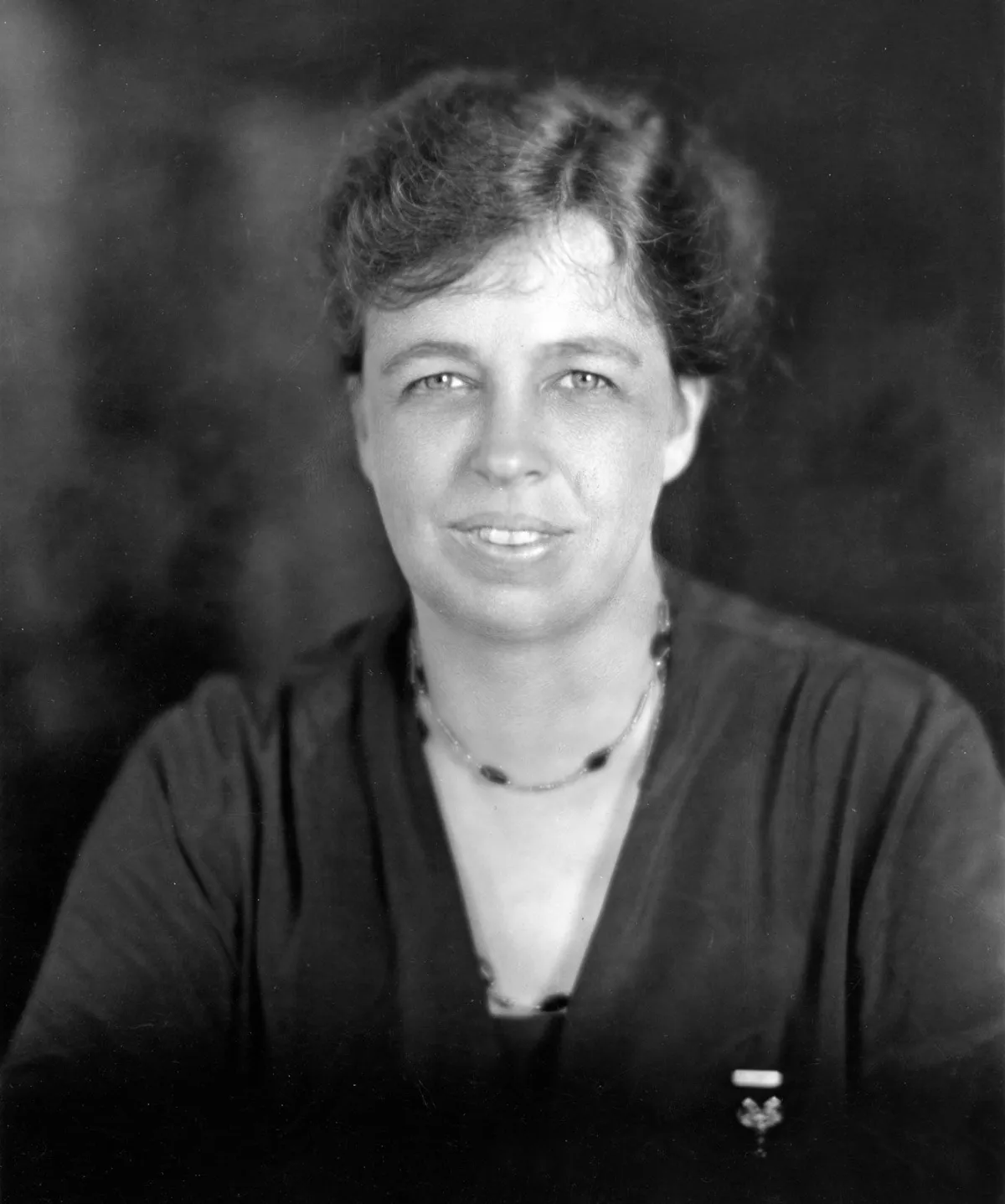 Photo: Eleanor Roosevelt, via cdn.britannica.com
The Template That Changed Everything
By the 1940s, McBride's influence on American broadcasting was undeniable. Radio stations across the country were trying to replicate her success by hiring hosts who could match her conversational style. When television arrived, the medium's most successful personalities — from Arthur Godfrey to Dave Garroway — borrowed heavily from the McBride playbook of intimate, conversational broadcasting.
The talk show format she accidentally invented became the foundation of American television: the morning show hosts who chat with celebrities about their personal lives, the daytime programs where ordinary people share their stories, the late-night interviews that feel like conversations between friends. Every podcast host who speaks directly to their audience, every radio personality who shares personal anecdotes between songs, every interviewer who prioritizes connection over interrogation is following a path that McBride blazed without ever meaning to.
The Revolution That Started by Accident
McBride's story is a reminder that some of the most important innovations come from people who are too naive to know they're breaking rules. She didn't set out to revolutionize broadcasting — she just tried to do her job in the way that felt natural to her. Her supposedly amateur approach turned out to be exactly what American audiences were hungry for: authenticity in a medium that had become overly polished, conversation in a format dominated by performance.
In an era when radio was trying to sound like theater, McBride made it sound like life. Her legacy lives on every time a broadcaster chooses honesty over polish, conversation over performance, connection over authority. She proved that sometimes the best way to reach millions of people is to talk to them one at a time.
The Voice That Changed How America Listened
When Mary Margaret McBride retired from daily broadcasting in 1954, she had spent two decades accidentally teaching America how to listen. Her influence extended far beyond radio into the broader culture of American media, shaping everything from television talk shows to the intimate podcasting revolution of the 21st century.
The executives who once thought her voice was all wrong for radio had been right about one thing: she didn't sound like anyone else on the airwaves. That's exactly why she changed everything. In a medium that prized perfection, she offered something more valuable — the imperfect, honest, deeply human voice of someone who understood that the best conversations happen when you forget you're performing and remember you're just talking to a friend.
Sometimes the wrong voice for the medium turns out to be exactly the right voice for the moment. McBride's accidental revolution reminds us that innovation often comes from the people who care more about connecting than conforming, more about authenticity than authority. She didn't follow the path that radio had mapped out for her — she created a new path that millions of others would follow.