Phoenix Rising: American Restaurants That Turned Catastrophe Into Comeback Stories
When Everything Burns Down, Some Places Build Back Better
There's something uniquely American about refusing to stay down when life knocks you flat. Nowhere is this spirit more evident than in the restaurants that have faced total destruction — fires, floods, riots, and ruin — only to emerge stronger, more beloved, and more essential to their communities than ever before. These aren't just comeback stories; they're testaments to the idea that sometimes you have to lose everything to find out what really matters.
1. Commander's Palace, New Orleans: Swimming Back from Katrina
When Hurricane Katrina's floodwaters finally receded in 2005, Commander's Palace — the grand dame of New Orleans dining — was underwater in more ways than one. The legendary restaurant, which had hosted presidents and launched the careers of culinary giants like Emeril Lagasse and Paul Prudhomme, sat in four feet of toxic sludge that had destroyed everything from the century-old floors to the carefully curated wine collection.
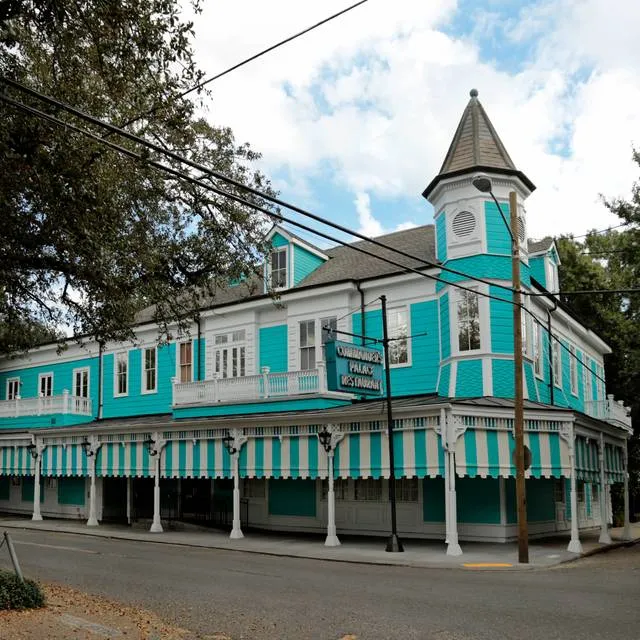 Photo: Commander's Palace, via resizer.otstatic.com
The Brennan family, who had owned the restaurant for decades, faced a choice that would define not just their business but their city's recovery. Insurance companies balked at the scope of the damage. Contractors were impossible to find. Half of New Orleans was still dark, and nobody knew if tourists would ever return to a city synonymous with catastrophe.
But the Brennans understood something that the insurance adjusters didn't: Commander's Palace wasn't just a restaurant — it was a symbol. When they reopened thirteen months later, the restaurant had been completely rebuilt from the ground up, with new kitchens, restored dining rooms, and a renewed commitment to the traditions that had made it famous. The first night back, the line stretched around the block. New Orleans was healing, one table at a time.
2. Ann Sather, Chicago: Three Fires, Three Resurrections
Ann Sather's original location on Belmont Avenue has burned down three times. Three times. Most restaurant owners would take that as a sign from the universe to try a different line of work. Not Ann Sather owner Ione Christy, who has rebuilt her Swedish comfort food institution after each disaster with the determination of someone who understands that some things are worth fighting for.
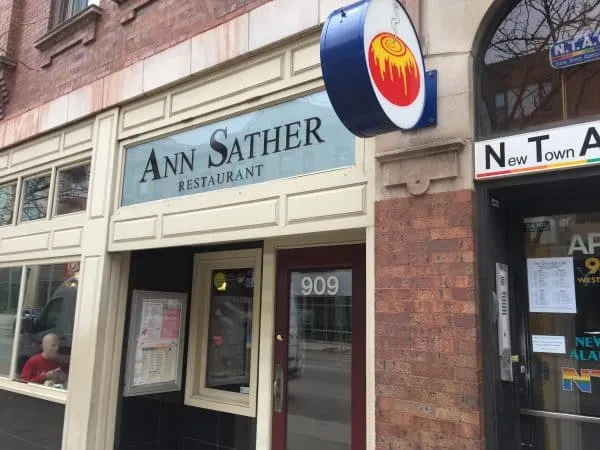 Photo: Ann Sather, via theculinarycellar.com
The first fire in 1981 gutted the dining room just as the restaurant was gaining a following for its legendary cinnamon rolls and hearty Scandinavian fare. The second fire in 1994 destroyed the newly renovated space. The third fire in 2003 seemed like the final straw — until the community rallied around the restaurant that had become a neighborhood anchor.
Each rebuilding brought improvements. Better ventilation systems. Expanded dining rooms. More efficient kitchens. By the third resurrection, Ann Sather had evolved from a small neighborhood spot into a Chicago institution with multiple locations, all built on the foundation of refusing to give up when disaster struck.
3. Sylvia's Restaurant, Harlem: Rising from the Ashes of Unrest
When riots swept through Harlem in 1977, Sylvia's Restaurant — already famous for its soul food and celebrity clientele — found itself in the crosshairs of urban unrest. Windows were shattered, the dining room was vandalized, and the surrounding neighborhood looked like a war zone. Many businesses fled Harlem during this period, but Sylvia Woods saw opportunity where others saw only chaos.
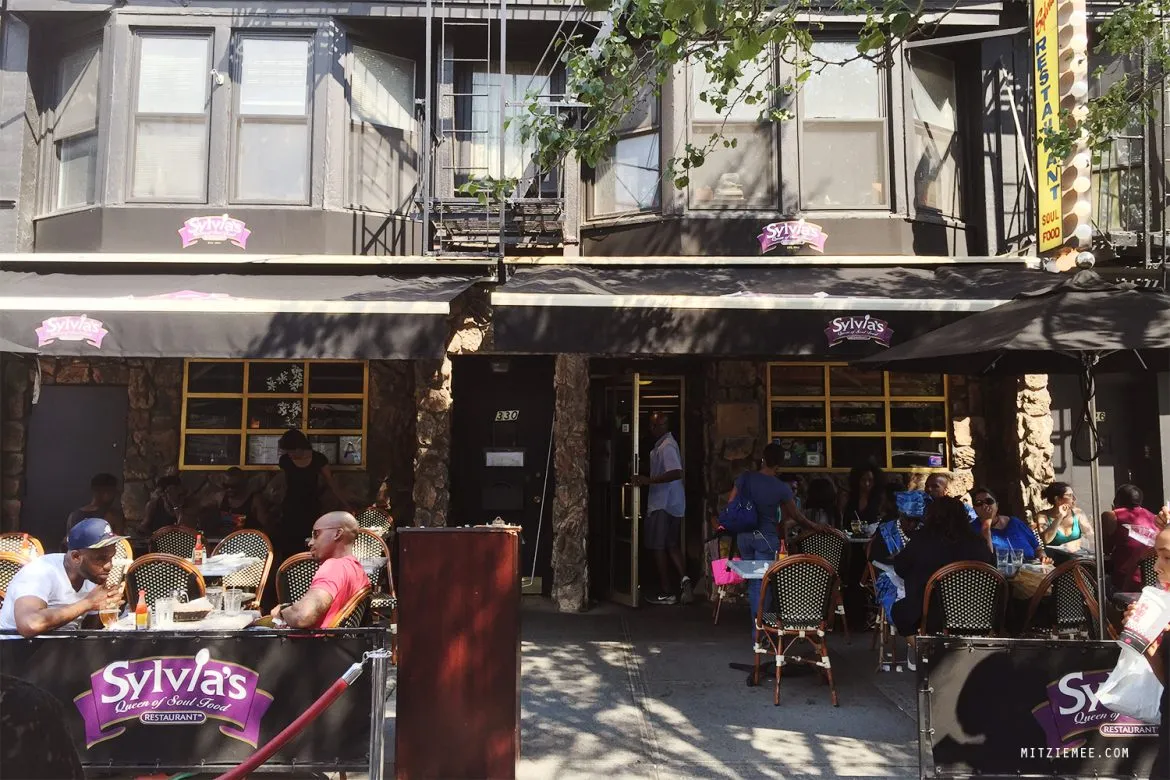 Photo: Sylvia's Restaurant Harlem, via mitziemee.com
Instead of relocating to safer ground, Woods doubled down on her commitment to the community. She used the rebuilding process to expand the restaurant, add catering services, and create jobs for local residents who had few other opportunities. When Sylvia's reopened, it wasn't just restored — it was transformed into the unofficial embassy of Harlem, a place where politicians, musicians, and ordinary folks could gather around tables laden with fried chicken, mac and cheese, and the kind of hospitality that turns strangers into family.
The restaurant became more than a business; it became a beacon of stability in a neighborhood that had seen too much instability. Today, Sylvia's is still family-owned and still serving the community that rallied around it during its darkest hour.
4. Tadich Grill, San Francisco: Earthquake-Proof Appetite
San Francisco's Tadich Grill claims to be California's oldest restaurant, and its survival through the 1906 earthquake and fire proved that claim wasn't just marketing. When the Great San Francisco Earthquake leveled most of the city, Tadich Grill was reduced to rubble along with everything else in the downtown core.
But within weeks of the disaster, the restaurant's owners were serving meals from a temporary location, feeding both survivors and the army of workers rebuilding the city. The spirit that kept them cooking in the aftermath of total destruction became part of the restaurant's identity. When they finally rebuilt their permanent location, they incorporated earthquake-resistant features that were revolutionary for the time.
More than a century later, Tadich Grill still serves the same seafood-heavy menu that sustained San Francisco through its darkest days. The restaurant's longevity isn't just about good food — it's about understanding that sometimes feeding people is more important than profits.
5. The Original Pancake House, Portland: From Ashes to Institution
In 1958, a kitchen fire destroyed the original Original Pancake House in Portland, Oregon, just five years after it opened. Owners Les Highet and Erma Hueneke faced a decision: take the insurance money and walk away, or bet everything on the belief that their made-from-scratch pancakes and European-inspired breakfast dishes could rebuild what fire had destroyed.
They chose to rebuild, and the new restaurant incorporated lessons learned from the fire. Better fire suppression systems, improved kitchen design, and expanded seating that could accommodate the growing crowds drawn to their Dutch Baby pancakes and thick-cut bacon. The rebuilding process also allowed them to perfect their recipes and standardize their operations in ways that would later fuel national expansion.
Today, The Original Pancake House has locations across the country, all tracing their lineage back to that rebuilt Portland restaurant that refused to let fire end the story.
6. Blue Willow Inn, Social Circle, Georgia: Tornado Alley to Southern Hospitality
When a tornado ripped through Social Circle, Georgia, in 1994, it took the roof off the Blue Willow Inn and scattered the restaurant's antique furnishings across three counties. The tornado also destroyed the small town's main street, leaving the community wondering if it had a future worth rebuilding.
The Van Dyke family, who owned the Blue Willow Inn, made rebuilding their restaurant the cornerstone of the town's recovery effort. They expanded the dining room, added gardens and event spaces, and created a destination that drew visitors from across the South. The new Blue Willow Inn became more than a restaurant — it became the economic engine that powered Social Circle's renaissance.
7. Joe Allen, New York: Rising Above the Rubble
When a gas explosion destroyed Joe Allen's original Theater District location in 1975, it seemed like the end of the road for the restaurant that had become a second home to Broadway performers and theater lovers. The blast was so powerful it took out neighboring buildings and left a crater where the dining room used to be.
But Joe Allen understood that his restaurant filled a unique niche in New York's cultural ecosystem. Within months, he had found a new location just blocks away and rebuilt not just the restaurant but the community that had formed around it. The new Joe Allen featured the same theatrical memorabilia, the same burger-heavy menu, and the same commitment to being a place where show business could gather after the curtain fell.
The Recipe for Resilience
What unites these seven restaurants isn't just their ability to survive disaster — it's their understanding that catastrophe can be a catalyst for something better. Each rebuilding brought improvements, innovations, and a deeper connection to the communities they served. They proved that sometimes you have to lose everything to discover what you're really made of.
In an industry where failure is common and success is fragile, these restaurants remind us that the strongest foundations are often built on the ruins of what came before. They didn't just survive disaster — they transformed it into the source of their greatest strength.