The Failed Everything Who Struck Black Gold Where Experts Swore Nothing Existed
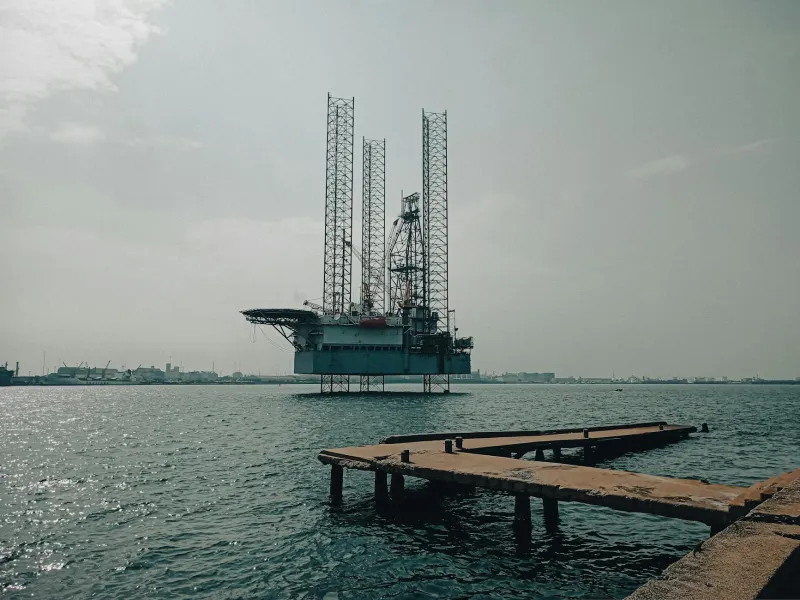
When Failure Becomes Fortune
By 1930, Columbus Marion 'Dad' Joiner had already lived three lifetimes of failure. At seventy, most men would have been content to sit on the porch and tell stories about better days. But Joiner wasn't most men. He was a dreamer with calloused hands and a stubborn streak wider than the Texas plains — and he was about to prove that sometimes the biggest discoveries come from the people who refuse to listen to reason.
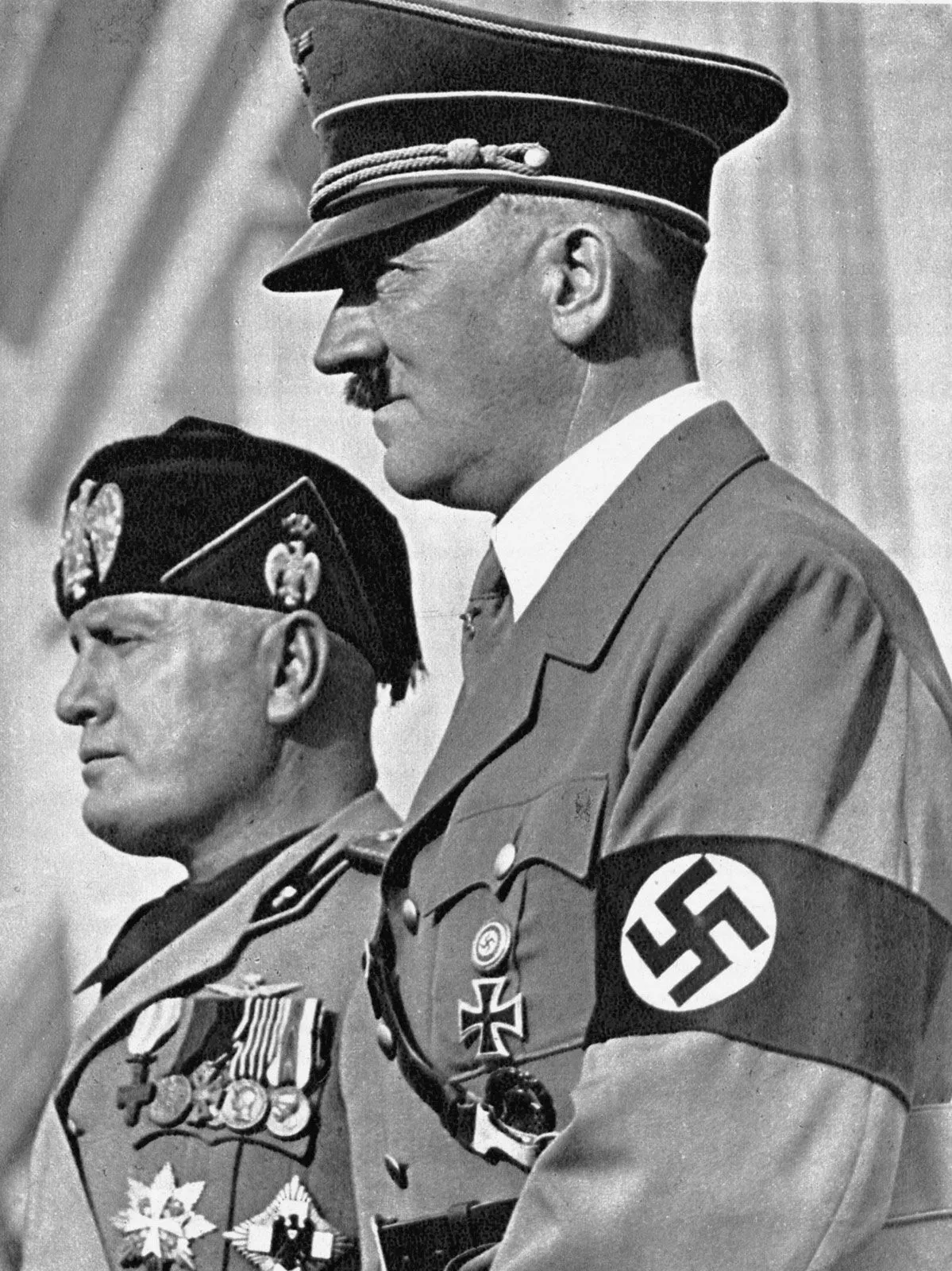 Photo: Columbus Marion 'Dad' Joiner, via cdn.britannica.com
Joiner's resume read like a cautionary tale. Failed lawyer in Alabama. Failed farmer in Tennessee. Failed businessman in Oklahoma. Each venture had ended the same way: broke, beaten, but somehow still standing. By the time he wandered into East Texas with nothing but a beat-up truck and wild theories about oil, respectable folks had long since written him off as another hustler chasing fool's gold.
The Cotton Patch Nobody Wanted
The land Joiner chose for his drilling operation was about as promising as a three-dollar bill. Daisy Bradford's farm in Rusk County was hardscrabble cotton country — red dirt, scrub oak, and not much else. Every geologist worth his salt had already surveyed the area and reached the same conclusion: no oil here, move along.
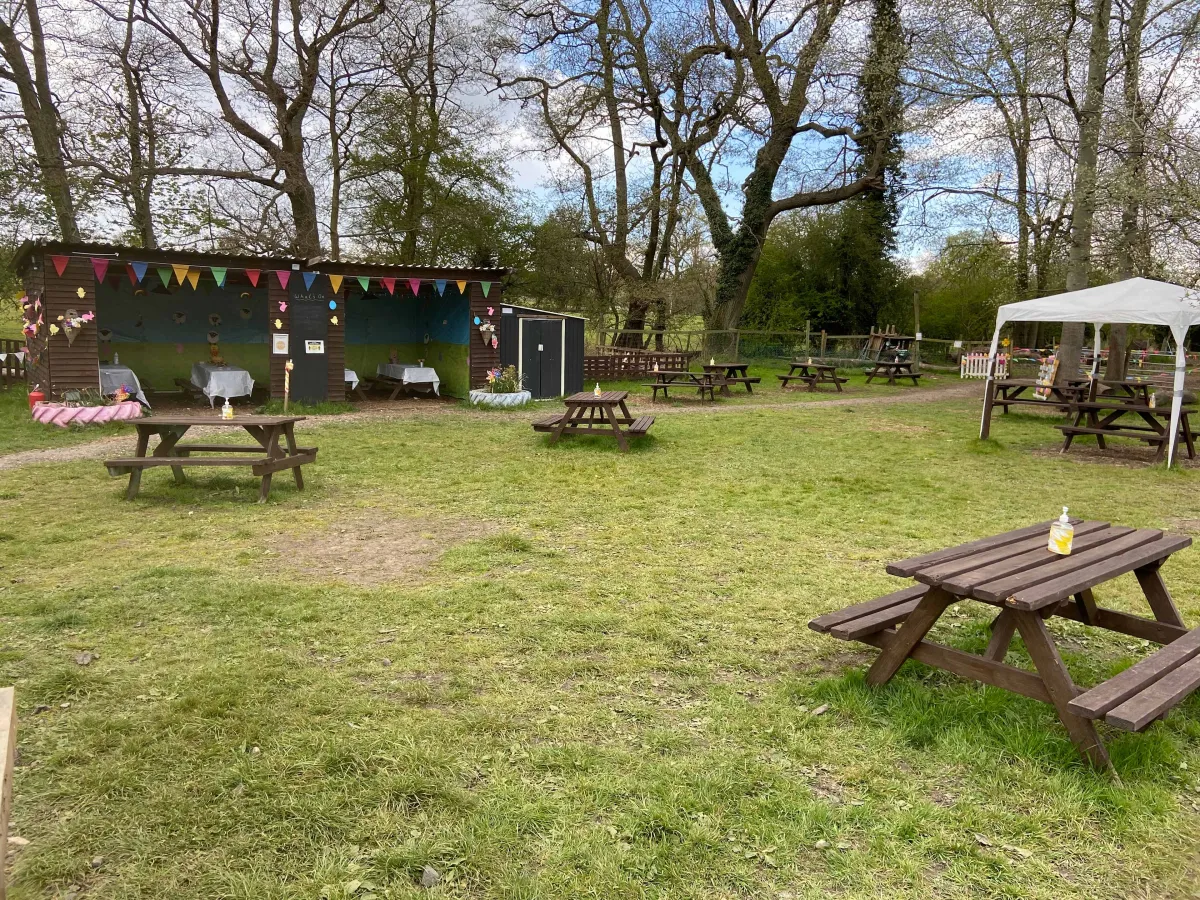 Photo: Daisy Bradford's farm, via hipcamp-res.cloudinary.com
The experts had science on their side. They had maps, surveys, and decades of training that all pointed to the same verdict: East Texas was a geological dead zone. The rock formations were wrong. The terrain was wrong. Everything about the region screamed 'dry hole' to anyone who knew what they were looking for.
But Joiner wasn't looking with trained eyes. He was looking with desperation, intuition, and a crackpot theory he'd picked up from a self-published geology book. While the professionals studied their charts, Joiner studied the land itself — the way water pooled after rain, the color of the soil, the subtle changes in vegetation that might hint at what lay beneath.
Drilling on a Prayer and Borrowed Money
With no formal training and even less money, Joiner assembled what can only be described as the most unlikely oil operation in American history. His crew was a collection of drifters, dreamers, and down-on-their-luck roughnecks who worked for promises instead of paychecks. His equipment was secondhand and held together with hope and bailing wire.
The drilling began in August 1930, just as the Great Depression was tightening its grip on the country. While banks failed and breadlines formed in distant cities, Joiner's ramshackle operation chugged away in the East Texas heat, boring deeper into ground that every expert insisted held nothing but disappointment.
Months passed. The hole grew deeper. The money ran out, then ran out again. Investors pulled out. Creditors circled like vultures. Local newspapers began running jokes about the crazy old man who thought he could find oil where God had clearly forgotten to put any.
The Moment That Changed Everything
On October 3, 1930, at 3,536 feet down, Joiner's drill bit punched through into a reservoir that would rewrite the economics of energy in America. The well didn't just strike oil — it struck the mother lode. What came rushing out of the ground was proof that sometimes the biggest discoveries happen when you're too stubborn to quit and too broke to know better.
The East Texas Oil Field, as it came to be known, contained more oil than anyone had dreamed possible. Conservative estimates put it at over 5 billion barrels — enough to fuel America through the Second World War and beyond. In one moment, Joiner had transformed from village fool to visionary, from failed businessman to the man who found America's energy independence in a cotton patch.
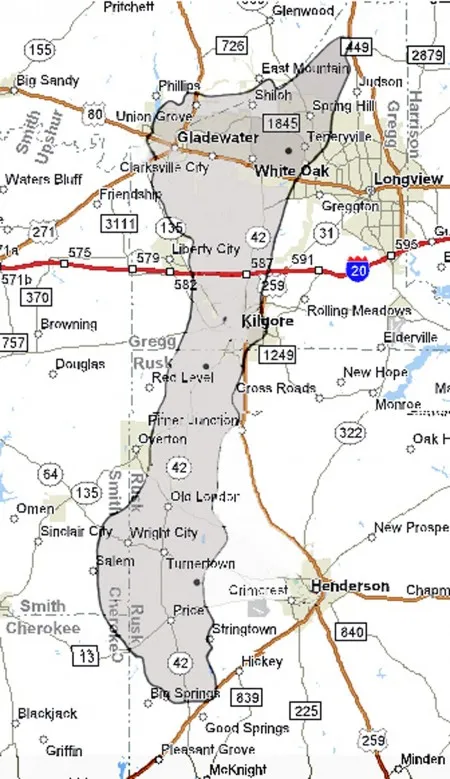 Photo: East Texas Oil Field, via aoghs.org
The Boom That Built a Nation
What followed was chaos of the most profitable kind. Within months, East Texas was swarming with oil workers, speculators, and fortune-seekers. Towns sprang up overnight. Derricks sprouted like steel forests across the landscape. The sleepy agricultural region became an industrial powerhouse that would fuel America's rise as a global superpower.
The timing couldn't have been more perfect. As Europe descended into war, America had the oil reserves to power not just its own military machine but those of its allies. The fuel that powered D-Day, that kept the bombers flying over Germany, that moved supplies across the Pacific — much of it came from the ground that every expert had dismissed as worthless.
The Price of Being Right
Ironically, Joiner himself saw little of the vast wealth his discovery created. Within months of striking oil, he had sold his interests to larger companies, walking away with enough money to live comfortably but nowhere near the fortune that his find would generate for others. It was perhaps fitting for a man whose greatest achievement came not from business acumen but from the simple refusal to believe what everyone else knew to be true.
Lessons from the Longest Shot
Joiner's story isn't just about oil — it's about the dangerous power of conventional wisdom and the unexpected value of being too stubborn to accept it. While experts relied on established knowledge and proven methods, a seventy-year-old failure trusted his instincts and kept drilling when every rational person would have stopped.
In a world that increasingly values credentials over curiosity, Joiner's discovery stands as a reminder that sometimes the biggest breakthroughs come from the people who don't know enough to know they can't succeed. His legacy lives on not just in the oil that still flows from East Texas, but in the lesson that expertise, while valuable, can sometimes be the biggest obstacle to seeing what's really possible.
The man who failed at everything finally succeeded by ignoring everyone who knew better. Sometimes, it turns out, the wrong path leads exactly where you need to go.