The Runaway Apprentice Who Accidentally Invented American Fine Dining
The Great Escape
Delmonico's Restaurant in 1860s New York was the kind of place where senators dined and millionaires celebrated. It was also where a seventeen-year-old runaway named Charles Ranhofer would accidentally invent what we now call American fine dining—though he had no idea that's what he was doing at the time.
 Photo: New York, via img.gfx.no
 Photo: Charles Ranhofer, via i2-prod.mirror.co.uk
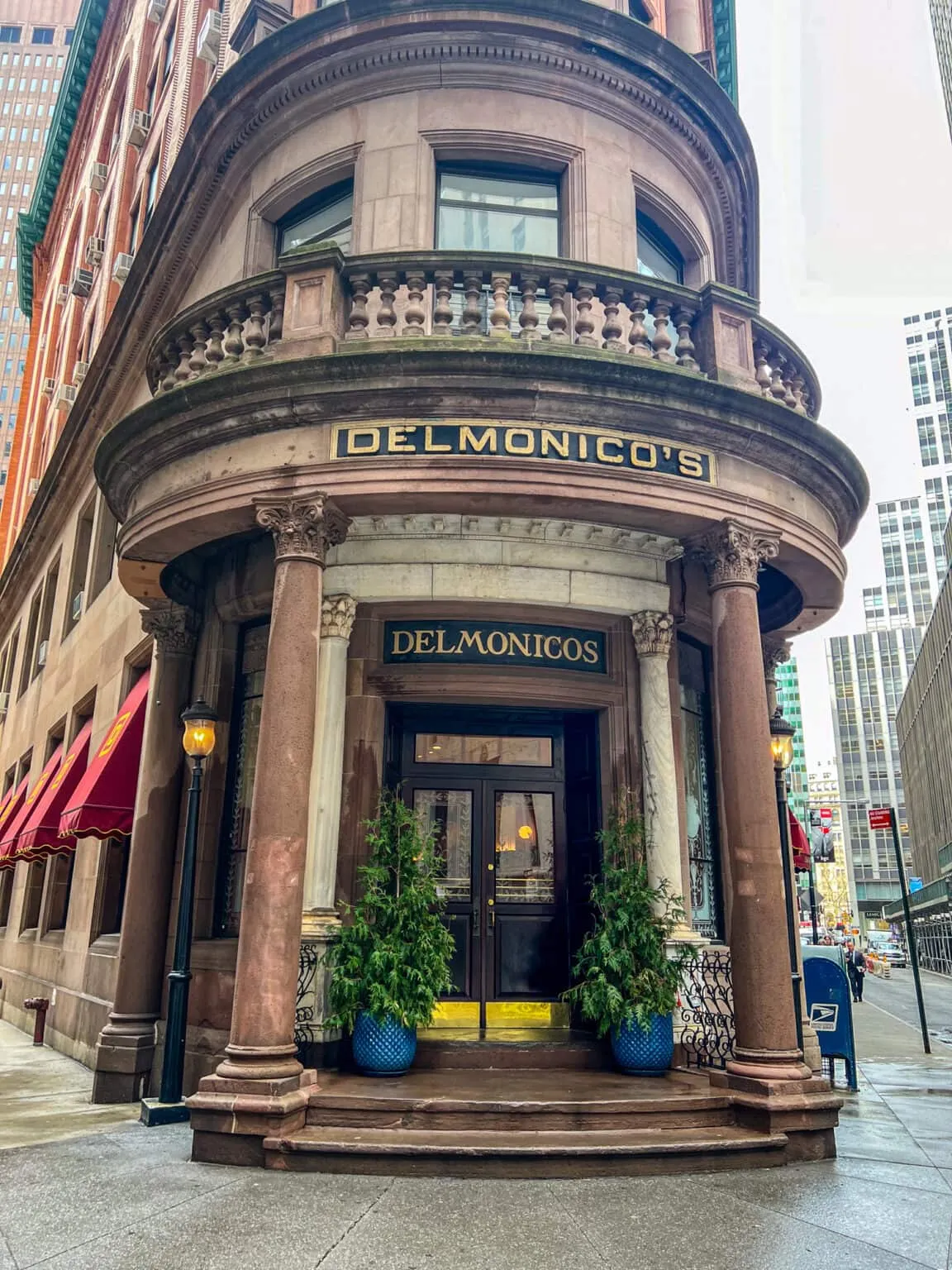 Photo: Delmonico's Restaurant, via feastio.com
Ranhofer had fled his apprenticeship at a small French bistro in lower Manhattan after a particularly brutal week of sixteen-hour days and constant humiliation. He was tired, broke, and had nowhere to go when he spotted the elegant awning of Delmonico's. In a moment of desperation mixed with teenage audacity, he walked through the front door and asked for work.
What happened next would reshape American cuisine forever.
The Outsider's Advantage
The head chef at Delmonico's was Lorenzo Delmonico himself, a man who had spent years trying to recreate authentic French cuisine for New York's elite. When this scruffy teenager appeared claiming kitchen experience, Delmonico was skeptical. But the restaurant was short-staffed, and Ranhofer's hands moved with surprising confidence around a knife.
What Delmonico didn't realize was that Ranhofer's "experience" consisted mainly of rebellion. At his previous job, he'd been forbidden from touching anything beyond vegetables and dishwater. So he'd spent his nights sneaking into the kitchen, teaching himself techniques from stolen glances and pure experimentation.
This amateur education became his secret weapon. While trained French chefs labored to recreate dishes exactly as they'd learned them in Paris, Ranhofer had no such constraints. He didn't know what wasn't allowed.
Breaking Every Rule
Within months, Ranhofer was creating dishes that made New York's food critics pause mid-bite. His Lobster Newberg—a rich, cream-based dish that combined French technique with distinctly American ingredients—became the talk of the city. His Chicken à la King elevated humble poultry to royal status using methods no French chef would have dared attempt.
The secret wasn't just talent. It was ignorance. Ranhofer didn't know that certain ingredients "didn't belong" together. He'd never been taught that American produce was somehow inferior to French. He simply cooked what tasted good, using whatever was fresh at the local markets.
Traditional French chefs were horrified. Food critics called his approach "barbaric" and "undisciplined." But customers kept coming back, night after night, drawn to flavors they'd never experienced before.
The Accidental Revolution
By 1870, Ranhofer had become head chef at Delmonico's, despite having no formal training and barely speaking English when he'd started. More importantly, he'd begun training a generation of American cooks who would carry his unconventional approach across the country.
His influence extended far beyond individual dishes. Ranhofer pioneered the concept of seasonal menus based on local ingredients—a radical departure from French tradition that insisted on importing everything from Europe. He created elaborate presentation styles that emphasized visual drama over classical restraint. He even invented the concept of the "chef's special"—dishes that changed based on inspiration and availability rather than rigid tradition.
Most revolutionary of all, he wrote everything down. His cookbook, "The Epicurean," published in 1894, became the first comprehensive guide to what we now recognize as American fine dining. It contained over 3,400 recipes, many of them his own innovations that combined European techniques with American sensibilities.
The Ripple Effect
Ranhofer's influence spread through the kitchens of America like wildfire. Young cooks who trained under him took his principles to Chicago, San Francisco, and New Orleans, adapting his techniques to local ingredients and tastes. The result was the birth of distinct regional American cuisines that owed nothing to European precedent.
Restaurants across the country began hiring American-trained chefs instead of importing French ones. Culinary schools started teaching Ranhofer's methods alongside classical French technique. Food writers began celebrating American innovation instead of simply comparing everything to Parisian standards.
By the time Ranhofer retired in 1896, the landscape of American dining had been completely transformed. Restaurants that once served pale imitations of French cuisine now offered distinctly American experiences that drew visitors from around the world.
The Lesson in the Kitchen
Ranhofer's story reveals something profound about innovation: sometimes the biggest breakthroughs come from people who don't know the rules well enough to follow them. His teenage desperation led him to a kitchen where his outsider status became his greatest asset.
Today, when we sit down to a meal that combines global influences with local ingredients, when we expect seasonal menus and creative presentations, when we assume American cuisine can hold its own against any in the world—we're experiencing the legacy of a runaway apprentice who simply didn't know what wasn't supposed to work.
The wrong path, as it turned out, led to exactly the right place.