The Job Nobody Wanted
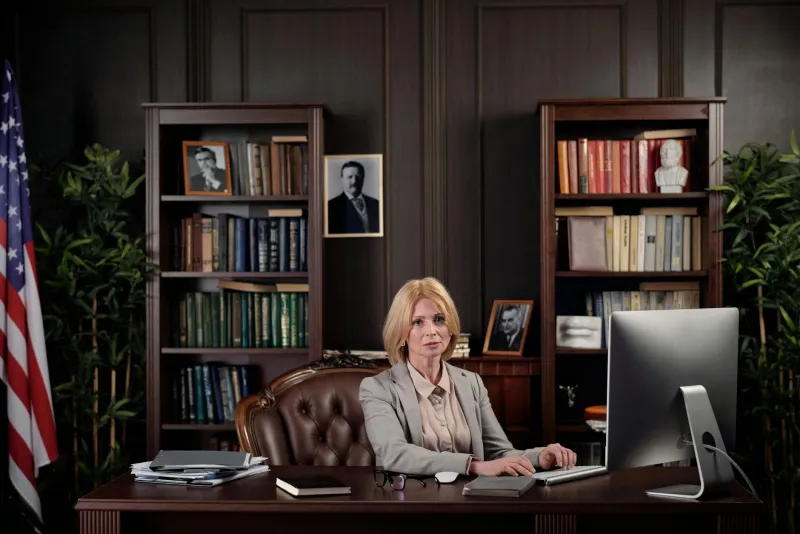
In 1916, when Zitkála-Šá walked into the offices of the Society of American Indians in Washington, D.C., nobody expected her to change anything. The organization had hired her as a secretary — a safe role for a Native American woman in a city that barely acknowledged her people existed.
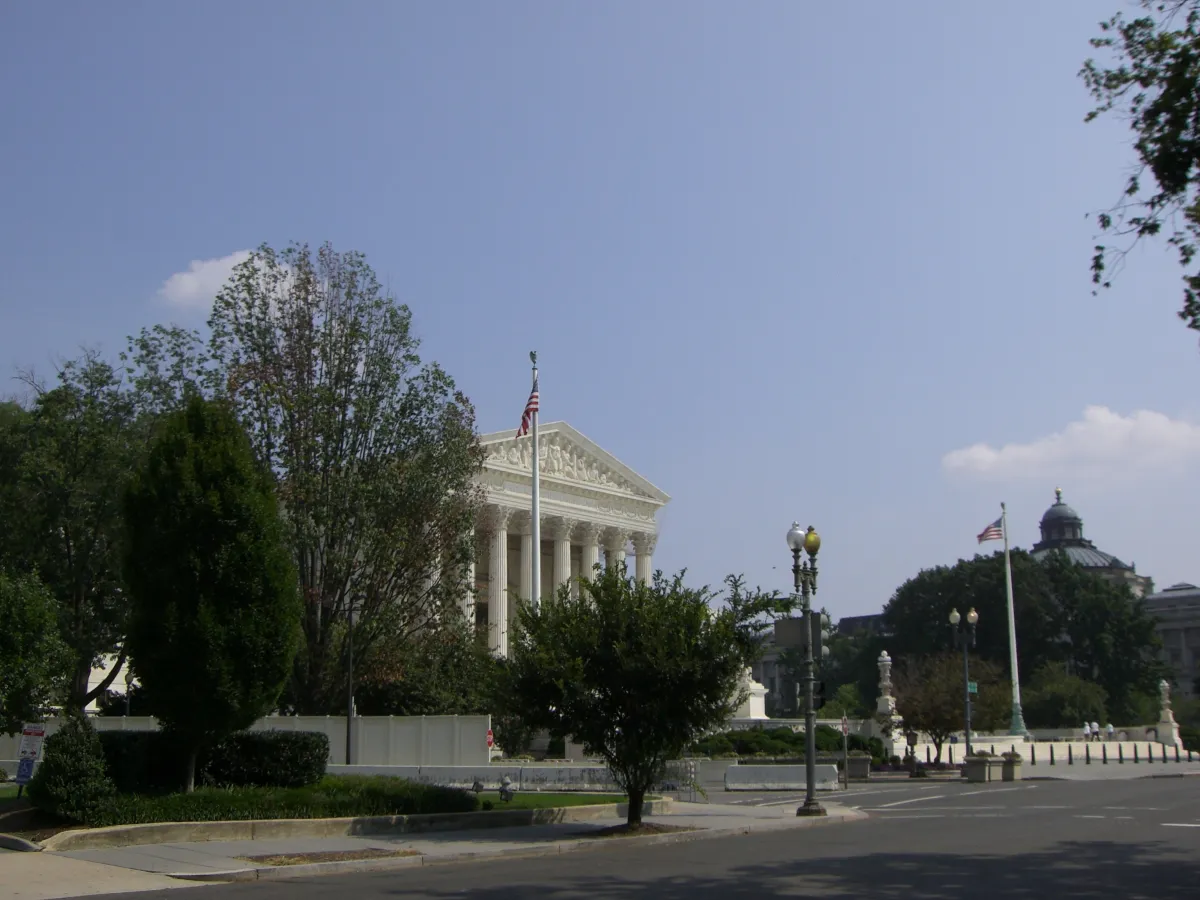 Photo: Washington, D.C., via jooinn.com
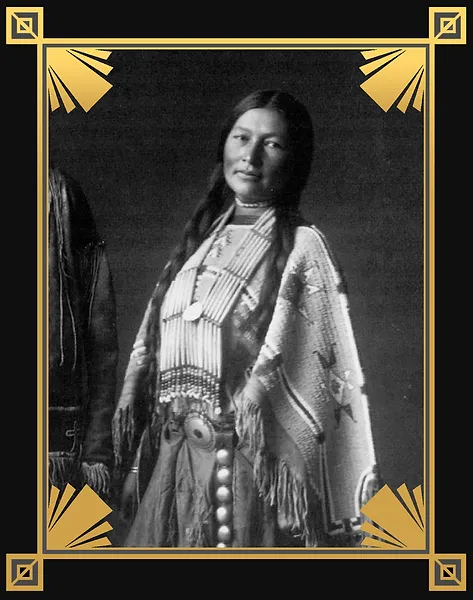 Photo: Zitkála-Šá, via static.wixstatic.com
Born Gertrude Simmons on the Yankton Sioux Reservation, she had already lived several lives by the time she reached that office. She'd been torn from her family as a child and sent to a Quaker boarding school designed to "kill the Indian" in her. She'd become a accomplished violinist and writer, publishing stories that white literary magazines actually wanted to print. She'd married, had a son, and watched as government policies systematically dismantled everything her people held sacred.
 Photo: Yankton Sioux Reservation, via images.squarespace-cdn.com
Now she was supposed to answer phones and take dictation. The irony wasn't lost on her.
The Power of the Right Desk
What the Society of American Indians didn't realize was that they had just given one of the most determined advocates for Native rights a front-row seat to the machinery of American bureaucracy. From her secretary's desk, Zitkála-Šá could see exactly how decisions about Native American lives were made — and by whom.
She watched as policies were crafted without input from the people they would affect most. She saw how language barriers were used as weapons, how cultural differences were treated as deficiencies, and how the absence of Native voices in government halls was treated as evidence that Native people had nothing valuable to say.
But Zitkála-Šá had something her employers didn't expect: she understood both worlds. She could navigate white institutions with the fluency of someone educated in their schools, while never forgetting the wisdom of the grandmother who had first taught her Dakota songs.
The Quiet Revolution
While officially filing papers and scheduling meetings, Zitkála-Šá began building something unprecedented: a network of Native American activists who could speak the language of Washington while fighting for the sovereignty of their own nations.
She used her position to identify sympathetic lawmakers, to track legislation that would affect Native communities, and to coordinate responses that government officials couldn't ignore. When senators received carefully crafted letters about Native American issues, many had no idea they were part of a campaign orchestrated by the woman who had served them coffee earlier that week.
Her real genius lay in understanding that the system's dismissal of her was also its weakness. Because she was "just" a secretary, she could move through government buildings without attracting suspicion. Because she was a woman, men often spoke freely in front of her, assuming she either wouldn't understand or wouldn't act on what she heard.
They were wrong on both counts.
The Language Wars
One of Zitkála-Šá's most crucial battles involved something that might seem mundane to outsiders: the preservation of Native American Sign Language, a sophisticated visual communication system that had evolved over centuries to facilitate trade and diplomacy between tribes with different spoken languages.
Government schools were systematically prohibiting its use, just as they banned spoken Native languages. Officials argued that sign language was "primitive" and would hold Native children back from assimilating into American society. What they didn't understand was that they were attempting to erase one of the most elegant and practical communication systems ever developed on the continent.
From her secretary's desk, Zitkála-Šá began documenting the language, working with elderly Native Americans who remembered the full complexity of the system. She organized secret workshops where young people could learn signs their schools had forbidden them to use.
The Underground Railroad of Culture
By 1918, Zitkála-Šá had transformed her clerical position into something like an underground railroad for Native American culture. She was smuggling information, preserving languages, and coordinating resistance efforts — all while maintaining the appearance of a dutiful government employee.
She helped establish the National Council of American Indians, serving as its president while continuing her day job. She lobbied for the Indian Citizenship Act of 1924, which finally granted Native Americans the right to vote. She documented traditional stories, songs, and customs that government schools were trying to erase.
Most remarkably, she did much of this work using the very institutions that had been designed to eliminate her culture. She turned government offices into preservation centers, bureaucratic networks into advocacy channels, and her supposed marginalization into a form of camouflage.
The Secretary Who Wouldn't Stay Silent
By the time Zitkála-Šá left Washington in the 1920s, she had fundamentally changed how Native American advocacy worked. She had proven that institutional power could be borrowed, redirected, and used against itself. Her model of working within the system while never surrendering to it would influence civil rights activists for generations.
The sign language she helped preserve became a crucial link between past and present for Native communities. The political networks she built continued fighting for Native rights long after she was gone. The cultural materials she documented provided the foundation for language revitalization efforts that continue today.
The Wrong Job for the Right Person
Zitkála-Šá's story reveals something profound about how change actually happens in America. The civil rights victories we celebrate often begin not with dramatic confrontations, but with quiet acts of subversion by people society has written off.
She was hired to be invisible, to facilitate the work of others without making any mark of her own. Instead, she used that invisibility as a superpower, moving through halls of power while carrying the hopes of her people like contraband.
In a nation that tried to erase her language, her culture, and her voice, Zitkála-Šá found a way to make all three not just survive, but thrive. She proved that sometimes the most effective revolutionaries are the ones who look like secretaries, who smile while they take notes, and who save the world one carefully filed document at a time.
The woman who was hired to answer phones ended up providing answers that the government hadn't even known it needed to hear.