The Wreck That Grew Gold: How a Sunken Ship Accidentally Planted America's Agricultural Future
When Disaster Washes Ashore
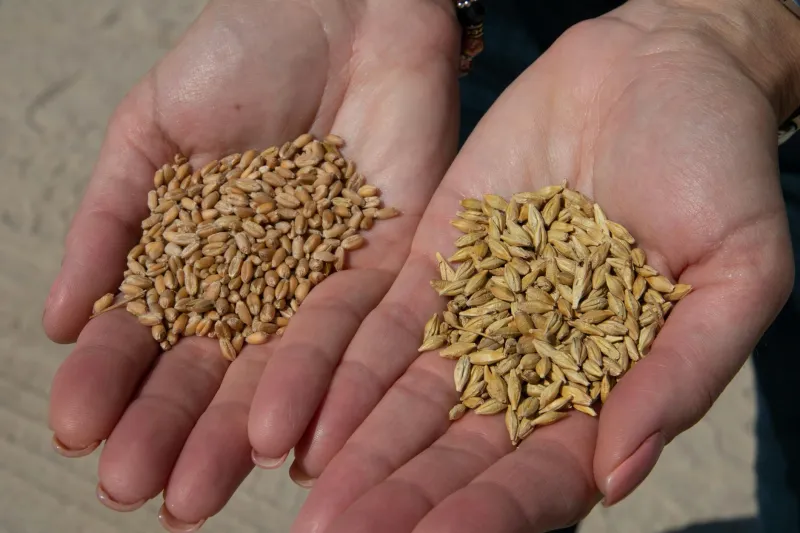
The morning after the storm in 1853, the beaches of Charleston were littered with the usual debris: broken timber, torn sails, and the scattered contents of merchant ships that hadn't survived the hurricane. Among the wreckage, local residents found something unusual—thousands of small, dark seeds washing up with each tide.
Most people saw trash. A few saw treasure.
The seeds came from the merchant vessel Carolina Belle, which had been carrying experimental grain varieties from the Mediterranean when the storm caught her. The ship's manifest listed the cargo as "assorted agricultural specimens"—essentially, expensive seeds that European botanists hoped might take root in American soil.
 Photo: Carolina Belle, via travelerofcharleston.com
Now those same seeds were free for anyone willing to walk the beach and fill their pockets.
The Farmers Who Planted Wreckage
While most coastal residents focused on salvaging valuable cargo like rum and manufactured goods, a small group of farmers saw potential in the scattered seeds. They had no idea what they were planting—the ship's documentation had gone down with the vessel—but they shared a common trait: they were willing to gamble on the unknown.
Joseph Middleton, a struggling rice farmer whose fields had been devastated by the same storm, gathered seeds by the bushel. "Can't be worse than what I've got," he told his skeptical neighbors. Sarah Chen, one of the few Chinese immigrants in the area, recognized some varieties from her homeland and quietly collected what she could.
Most remarkably, there was Samuel Washington, a freed slave who had purchased a small plot of marginal land outside the city. Washington had been experimenting with different crops, trying to find something that could thrive in his property's poor soil. The mysterious seeds represented another chance to try something new.
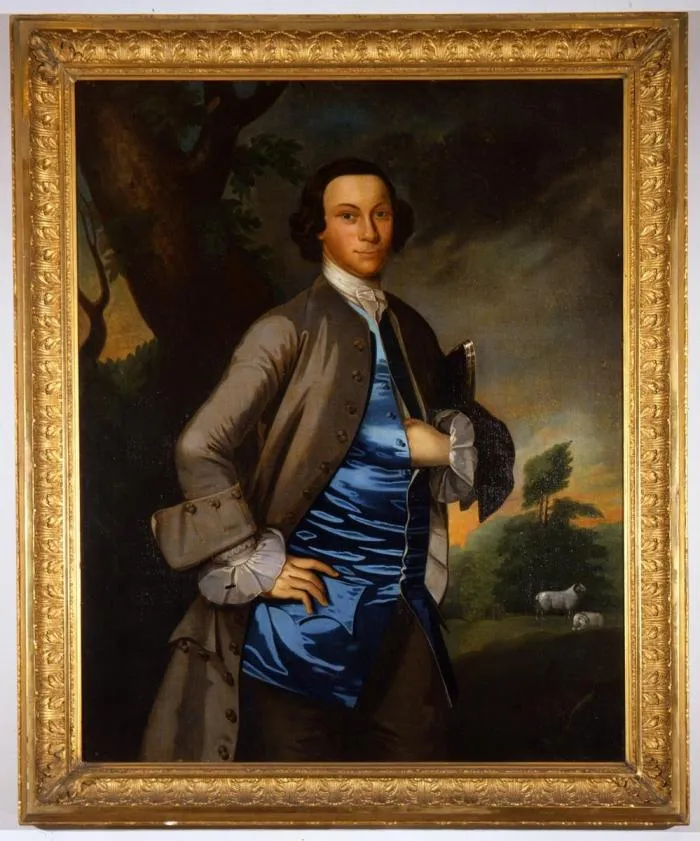 Photo: Samuel Washington, via www.americanheritage.com
The Crop That Grew in Silence
What these farmers had unknowingly planted was a hardy variety of sorghum—a grain virtually unknown in America at the time. The seeds had been bound for experimental farms in Virginia, where agricultural scientists hoped to test their viability. Instead, they ended up scattered across dozens of small plots along the Carolina coast.
Sorghum proved to be everything American agriculture didn't know it needed. Unlike corn or wheat, it thrived in poor soil and required minimal water. It could withstand droughts that destroyed other crops and provided both grain for human consumption and fodder for livestock.
But perhaps most importantly, sorghum could be harvested multiple times per season. While other farmers were limited to single annual crops, the sorghum growers found themselves with surplus grain to sell.
The Quiet Revolution
Word of the "shipwreck grain" spread slowly through farming communities. There was no dramatic announcement, no agricultural fair debut. Instead, success stories passed from neighbor to neighbor: farmers who had struggled for years suddenly finding prosperity, families who had considered abandoning their land instead expanding their holdings.
Samuel Washington became one of the most successful farmers in the region. His marginal land, perfect for sorghum's minimal requirements, yielded crops that fed both his family and a growing market of buyers. By 1860, he owned three times his original acreage and employed several workers.
Joseph Middleton discovered that sorghum could grow in fields too wet for rice and too dry for corn. His diversified approach—some fields in rice, others in sorghum—protected him from the weather disasters that ruined single-crop farmers.
The Seed That Fed a Nation
By the time of the Civil War, sorghum had spread throughout the South and into the Midwest. Union soldiers carried seeds northward, while Confederate forces relied on sorghum's drought resistance when other crops failed. The grain that had literally washed ashore became a crucial food source during America's most desperate period.
After the war, as America expanded westward, sorghum proved ideal for the challenging conditions of the Great Plains. It could survive the temperature extremes and irregular rainfall that defeated other crops. Entire communities in Kansas, Nebraska, and Texas built their economies around the grain that had begun as maritime disaster debris.
Today, the United States produces more sorghum than any other country, with much of the crop grown in regions where traditional grains struggle. The industry employs hundreds of thousands of people and generates billions in economic activity.
The Accident That Wasn't
The story of sorghum in America reveals something profound about innovation: sometimes the most transformative changes come not from careful planning but from willingness to experiment with whatever life delivers. The farmers who planted those mysterious seeds didn't know they were introducing a revolutionary crop—they were simply people desperate enough to try anything.
Their success came not from expertise but from persistence. They planted unknown seeds in uncertain soil and tended them with the same care they gave their familiar crops. When the results exceeded expectations, they shared seeds and knowledge with their neighbors.
Lessons from the Wreck
The Carolina Belle disaster reminds us that history's most important innovations often begin as accidents. The ship's captain never intended to revolutionize American agriculture—he was simply transporting cargo from one port to another. The farmers who planted the scattered seeds weren't trying to change the world—they were trying to survive another growing season.
Yet their combined actions—one man's failed voyage and several farmers' willingness to gamble on the unknown—created one of the most significant agricultural developments in American history.
Sometimes the seeds of the future wash ashore in the wreckage of the present. The question isn't whether we'll encounter such opportunities, but whether we'll have the courage to plant them and see what grows.