When the Gatekeepers Said No: Five American Classics That Publishers Refused to Touch

The Manuscripts Nobody Wanted
Every year, publishing houses receive thousands of manuscripts from hopeful authors. Most get rejected within weeks, if not days. But sometimes, those rejection letters become historical artifacts of spectacularly poor judgment—evidence that the people paid to recognize great literature can miss it entirely.
These five American books were turned down by every major publisher, dismissed as unmarketable, or ridiculed as too strange for mainstream audiences. Yet they went on to define American literature and culture in ways their rejectors never imagined possible.
The Whale That Almost Wasn't
Herman Melville's "Moby-Dick" (1851)
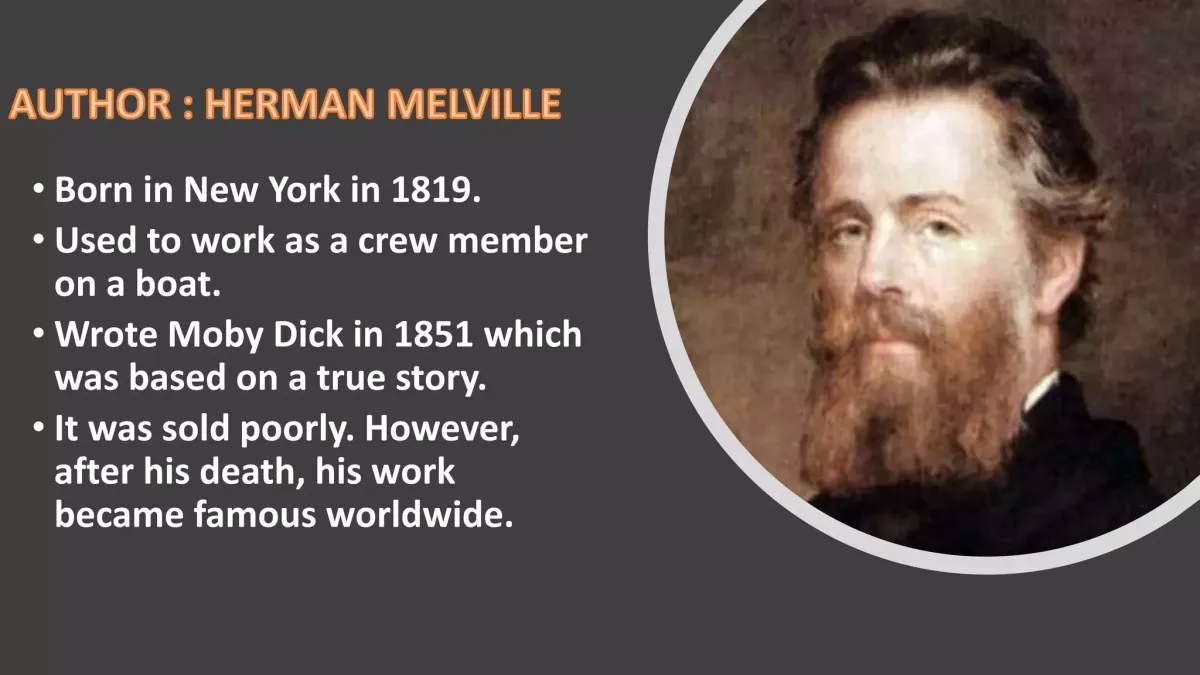 Photo: Herman Melville, via image.slidesharecdn.com
Herman Melville's masterpiece about obsession, fate, and a very large whale was initially rejected by multiple publishers who found it "too weird" and "uncommercial." One editor famously wrote that American readers would never embrace a book about whaling that spent so much time philosophizing.
When it finally found a publisher, "Moby-Dick" sold fewer than 500 copies in Melville's lifetime. Critics called it "bizarre" and "unreadable." The book's experimental structure—part adventure story, part scientific treatise, part philosophical meditation—confused readers expecting straightforward sea tales.
Today, "Moby-Dick" is considered one of the greatest American novels ever written, studied in every high school and university in the country. The "unmarketable" whale story became the ultimate American allegory about ambition, nature, and the dangers of unchecked obsession.
Melville's path to literary immortality proves that sometimes the books that don't fit existing categories are the ones that create entirely new ones.
The Children's Book Adults Couldn't Understand
L. Frank Baum's "The Wonderful Wizard of Oz" (1900)
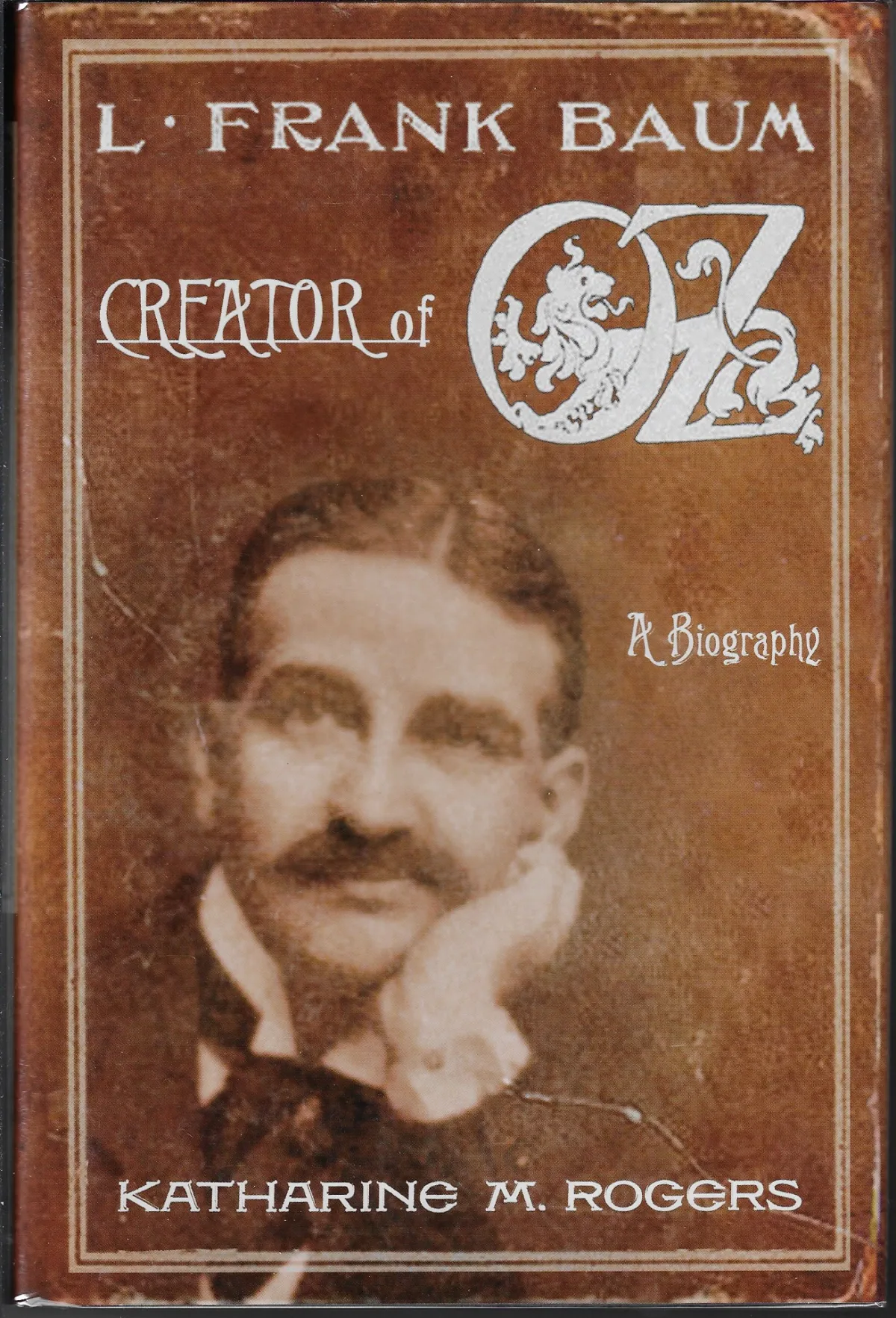 Photo: L. Frank Baum, via pictures.abebooks.com
Every major publisher in New York rejected L. Frank Baum's story about a Kansas girl and her magical journey to a colorful fantasy land. Editors complained that the book was "too American" for children's literature, which traditionally featured European fairy tales and moral lessons.
Publishers also objected to Baum's decision to avoid the typical moralizing found in children's books of the era. They wanted clear lessons about obedience and virtue, not a story that celebrated curiosity and independence.
Baum finally found a small Chicago publisher willing to take a chance on his "too American" fairy tale. The first edition sold out immediately, and the book spawned a franchise that includes the most beloved movie musical in American history.
"The Wizard of Oz" became a cultural phenomenon precisely because it broke the rules that publishers thought were essential. Its celebration of American optimism and individual agency resonated with readers who were tired of imported moral lessons.
The Housewife's "Silly" Novel
Margaret Mitchell's "Gone with the Wind" (1936)
Margaret Mitchell spent ten years writing her Civil War epic while working as a journalist in Atlanta. When she finally submitted her manuscript, publishers dismissed it as "another historical romance" and criticized its length—over 1,000 pages seemed excessive for what they assumed was lightweight entertainment.
Multiple editors rejected the book, suggesting Mitchell cut it in half and focus on the love story rather than the historical context. One famously wrote that "no one wants to read about the Civil War anymore."
When Macmillan finally published "Gone with the Wind," it became the fastest-selling novel in American history up to that point. The book won the Pulitzer Prize, inspired the highest-grossing film of its era, and sold over 30 million copies worldwide.
Mitchell's epic proved that American readers were hungry for stories that took their history seriously, even when—or especially when—that history was complicated and controversial.
The Beat Poem That Scandalized Everyone
Allen Ginsberg's "Howl" (1956)
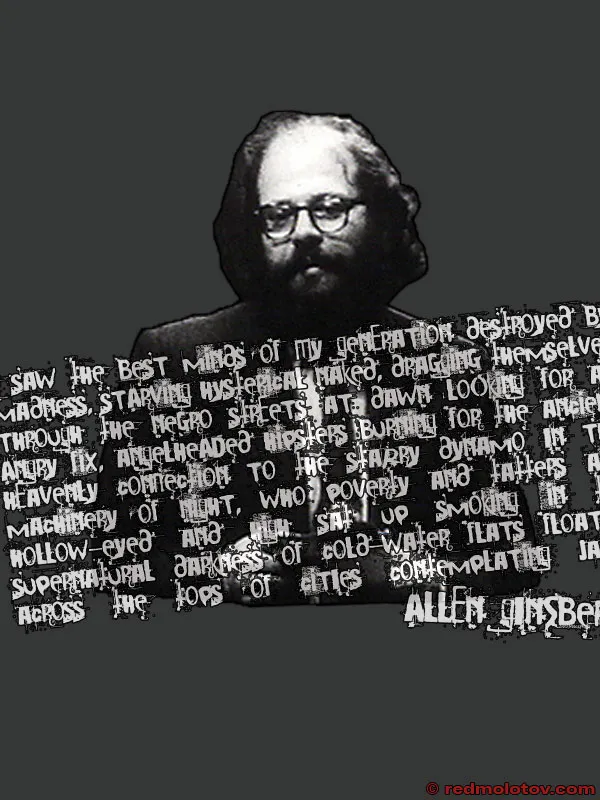 Photo: Allen Ginsberg, via 3.bp.blogspot.com
Allen Ginsberg's groundbreaking poem about American youth, sexuality, and spiritual searching was rejected by every major publisher as "unprintable" and "obscene." Editors worried about legal challenges and public backlash to Ginsberg's frank discussions of drugs, homosexuality, and mental illness.
City Lights Bookstore in San Francisco finally published "Howl" as part of their experimental poetry series. The book was immediately banned in several cities, and its publisher was arrested on obscenity charges.
The resulting trial became a landmark case for artistic freedom, and "Howl" became the defining poem of the Beat Generation. What publishers saw as unmarketable controversy became exactly what made the book culturally essential.
Ginsberg's poem proved that American literature needed voices willing to speak honestly about experiences that polite society preferred to ignore.
The Depression-Era "Downer"
John Steinbeck's "The Grapes of Wrath" (1939)
Publishers initially rejected Steinbeck's novel about migrant workers during the Great Depression as "too depressing" and "politically dangerous." Editors worried that the book's sympathetic portrayal of labor organizers and criticism of wealthy landowners would alienate mainstream readers.
Several publishers suggested Steinbeck soften his critique of American capitalism and add a more optimistic ending. They wanted a story about overcoming hardship, not an indictment of systemic inequality.
When Viking Press finally published "The Grapes of Wrath," it became an immediate bestseller and won the Pulitzer Prize. The novel helped shape public opinion about workers' rights and contributed to New Deal policies supporting migrant laborers.
Steinbeck's "too political" novel proved that American readers were ready for literature that challenged comfortable assumptions about prosperity and fairness.
The Wrong Path to Literary Immortality
These five books share a common thread: they succeeded precisely because they refused to follow the conventional wisdom of their time. Publishers rejected them for being too American, too experimental, too controversial, or too honest. But those same qualities made them essential reading for generations of Americans seeking authentic voices and genuine insights.
Their stories remind us that the gatekeepers don't always know what they're guarding against—and sometimes the most important books are the ones that have to find their own way to readers, rejection letter by rejection letter, until they finally reach the audience that's been waiting for them all along.