Wasteland to Wonder: Seven American Farmers Who Made Gold from Dirt Nobody Wanted
When the Experts Say No, Some People Say Watch Me
Every agriculture extension agent has stories about the ones who wouldn't listen. The stubborn farmers who bought land that soil surveys condemned, who planted crops that climatologists said would never survive, who built operations on ground that geologists declared hopeless.
Most of these stories end in bankruptcy and bitter lessons about respecting expertise. But sometimes—just sometimes—they end in revolution.
Here are seven American farmers who turned agricultural impossibility into industry legend, proving that the worst land can sometimes produce the best results.
1. The Volcanic Vineyard That Shouldn't Exist
David Lett, Willamette Valley, Oregon
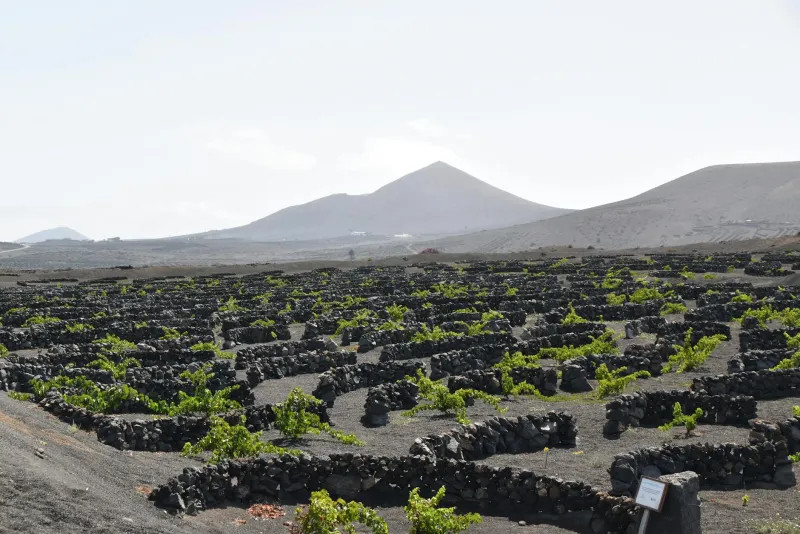
In 1965, every wine expert in America knew one thing for certain: Oregon was too cold and wet to grow decent wine grapes. The soil was wrong, the climate was wrong, everything was wrong.
David Lett bought 90 acres of volcanic ash anyway.
The UC Davis viticulture department had specifically warned against planting Pinot Noir north of San Francisco. Lett planted it in Oregon's Willamette Valley, in soil that looked more like moon dust than farmland. His neighbors thought he'd lost his mind.
Twenty years later, Lett's 1975 Pinot Noir placed second in a blind tasting against the best Burgundies in France. Today, the Willamette Valley produces some of the world's most sought-after Pinot Noir, all grown in volcanic soil that experts once dismissed as worthless for viticulture.
2. Desert Dreams and Herb Gardens
Rosa Martinez, Las Cruces, New Mexico
The land real estate agents showed Rosa Martinez in 1978 came with a warning: nothing grows here but tumbleweeds and regret. The Chihuahuan Desert soil was too alkaline, too dry, too hostile for agriculture.
Martinez saw something different. She saw her grandmother's herb garden in Oaxaca, and she remembered how certain plants actually thrived in harsh conditions.
Using traditional Mexican farming techniques that worked with desert conditions instead of against them, Martinez created a 40-acre herb operation that now supplies restaurants from Santa Fe to San Francisco. Her oregano, grown in soil that county agents said was "agriculturally sterile," commands premium prices for its intense flavor—a direct result of the mineral-rich desert conditions that everyone else saw as a curse.
3. Rocky Mountain High Yields
Tom Stearns, Vermont
When Stearns bought 200 acres of abandoned hillside farmland in 1981, the state agricultural extension office was blunt: the soil was too rocky, the growing season too short, the slopes too steep for commercial farming.
Stearns turned those problems into products. The rocky soil provided perfect drainage for specialty crops. The short growing season concentrated flavors. The steep slopes created microclimates that allowed him to grow varieties that shouldn't survive Vermont winters.
Today, High Mowing Seeds is one of America's largest organic seed companies, growing varieties developed specifically for challenging conditions. The "worthless" Vermont hillside now produces seeds that help farmers across the country deal with their own difficult growing conditions.
4. Salt of the Earth
Jim Cochran, California Coast
The 27 acres near Santa Cruz that Cochran leased in 1983 had been written off by agricultural consultants. The soil was too salty from ocean spray, they said. The fog was too persistent. Strawberries, California's coastal cash crop, would never thrive there.
Cochran planted strawberries anyway, but with a twist—he went completely organic at a time when that was considered commercial suicide for strawberry farming.
The salty soil that conventional farmers avoided turned out to be perfect for organic production. The harsh conditions naturally suppressed many pests, reducing the need for interventions. The constant ocean fog created ideal humidity for strawberry development.
Swanton Berry Farm became California's first organic strawberry operation to sign a union contract with workers, and Cochran's strawberries consistently command premium prices for their intense flavor—a direct result of the "problematic" coastal conditions.
5. Prairie Reclamation Project
Gabe Brown, North Dakota
When Brown took over his family's ranch in 1991, the land was in crisis. Years of conventional farming had left the soil compacted, eroded, and nearly lifeless. Agricultural consultants recommended expensive inputs and intensive management just to grow basic commodity crops.
Brown decided to let the prairie teach him instead. He stopped tilling, started planting diverse cover crop mixes, and integrated livestock grazing in ways that mimicked natural grassland systems.
Twenty-five years later, Brown's ranch has become a pilgrimage site for regenerative agriculture advocates worldwide. The "degraded" prairie soil now has higher organic matter content than when his grandfather first broke the sod. He grows diverse cash crops without fertilizers or pesticides, and his operation is more profitable than conventional farms in the area.
6. Swamp to Specialty Crop
Alice Waters' Mentors, Wisconsin
Before Alice Waters made farm-to-table famous, there were the cranberry growers of central Wisconsin, working in conditions that would make most farmers quit.
Cranberry bogs require flooded fields, acidic soil, and months of standing water—conditions that destroy most crops. When European settlers first encountered these wetlands, they saw worthless swamp. Native Americans had been managing cranberry harvests there for centuries.
Wisconsin cranberry growers learned to work with seasonal flooding, acidic peat soil, and harsh winters that kill most fruit crops. Today, Wisconsin produces 60% of America's cranberries, turning "worthless swampland" into a $1 billion industry.
7. High Altitude, High Returns
Marvin and Dinah Wollman, Colorado
At 8,000 feet elevation near Alamosa, Colorado, the Wollmans farm in conditions that agricultural textbooks say are impossible for vegetable production. The growing season is barely 90 days. Temperatures can drop below freezing any night of the year. The soil is sandy and low in organic matter.
But those harsh conditions produce vegetables with extraordinary flavor concentration. The Wollmans' potatoes, grown in sand that extension agents said was "unsuitable for agriculture," have become the preferred choice for high-end restaurants across the country.
The short, intense growing season and dramatic day-night temperature swings that make farming "impossible" also concentrate sugars and starches in ways that longer, gentler growing seasons can't match.
The Pattern in the Dirt
These seven stories share a common thread: the conditions that experts identified as problems became the foundation for exceptional products. Volcanic ash created complex mineral profiles. Desert conditions concentrated essential oils. Rocky soil provided perfect drainage. Salt stress intensified flavors.
Sometimes the land that nobody wants is exactly the land that produces something nobody else can grow. The farmers who succeeded weren't just stubborn—they were willing to learn from the land itself rather than from textbooks written about different places.
In agriculture, as in life, the wrong conditions sometimes produce the right results. You just have to be willing to plant anyway.