The Kitchen Where History Was Served: How Leah Chase Fed a Revolution One Plate at a Time
The Sandwich Shop That Changed America
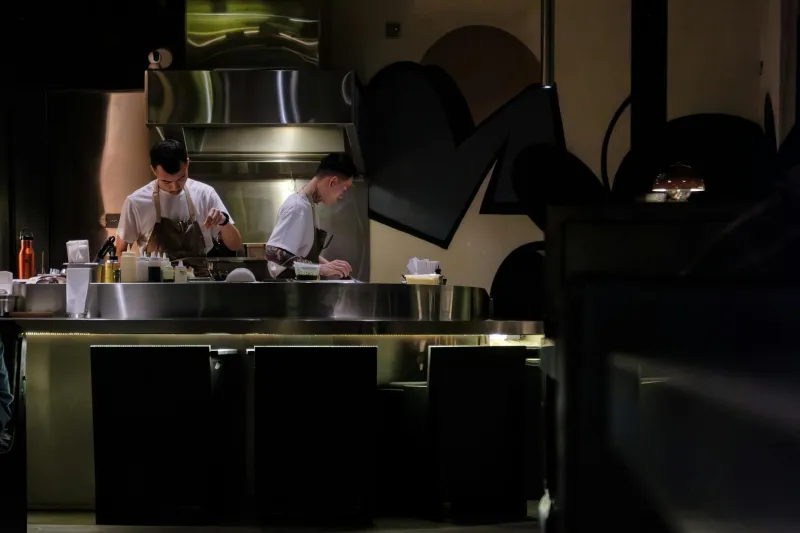
In 1946, when Leah Chase married into the family that owned a small Creole sandwich shop in New Orleans' Tremé neighborhood, she inherited more than a business—she inherited a mission she didn't yet know she was meant to fulfill. What started as a modest corner eatery would become the most consequential dining room in American civil rights history.
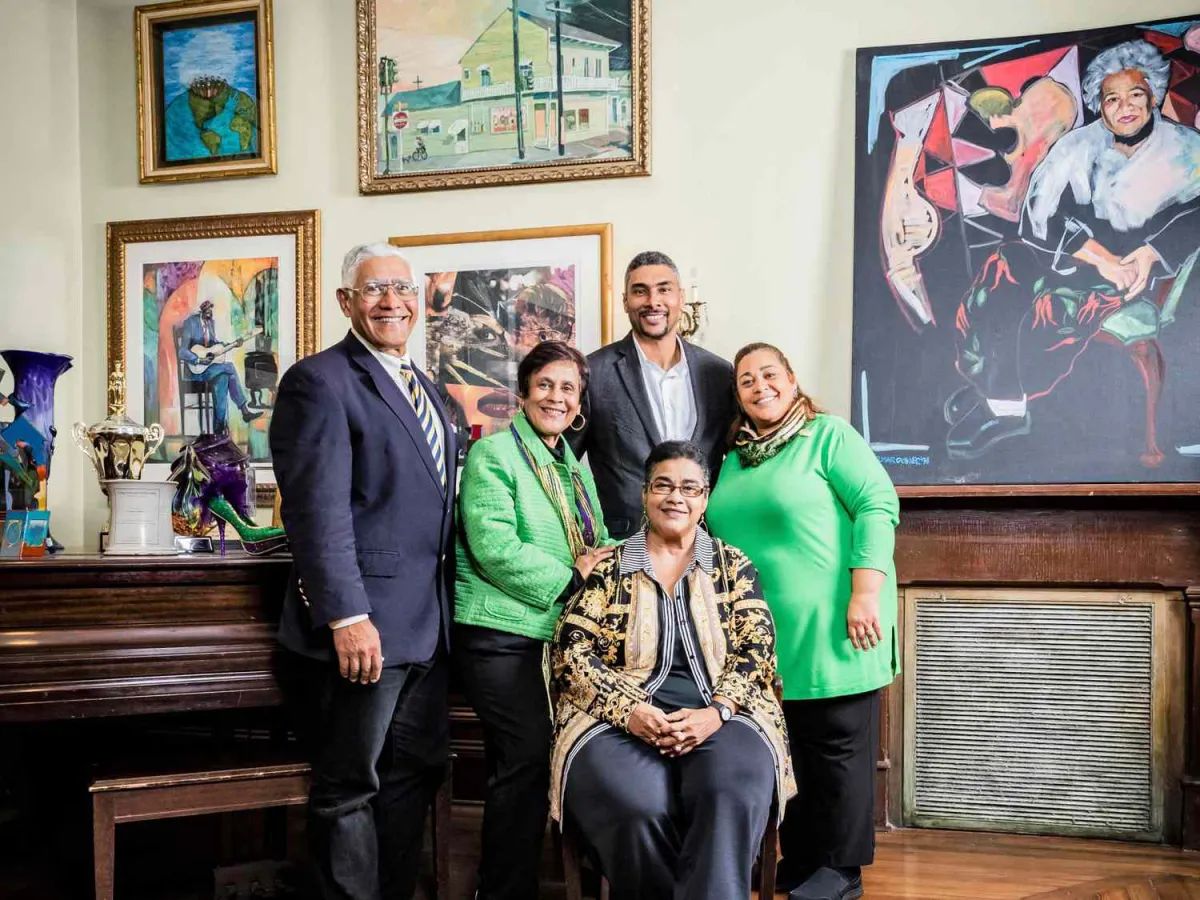 Photo: Leah Chase, via www.southernliving.com
Chase had no culinary school training, no restaurant management experience, and no formal business education. What she possessed was something far more powerful: an unshakeable belief that good food could break down barriers that laws couldn't touch.
When Gumbo Became a Weapon
Dooky Chase's Restaurant sat in a neighborhood where segregation wasn't just law—it was violently enforced. Yet Chase gradually transformed her dining room into something unprecedented in the Jim Crow South: a place where Black and white civil rights workers could meet, plan, and strategize without fear.
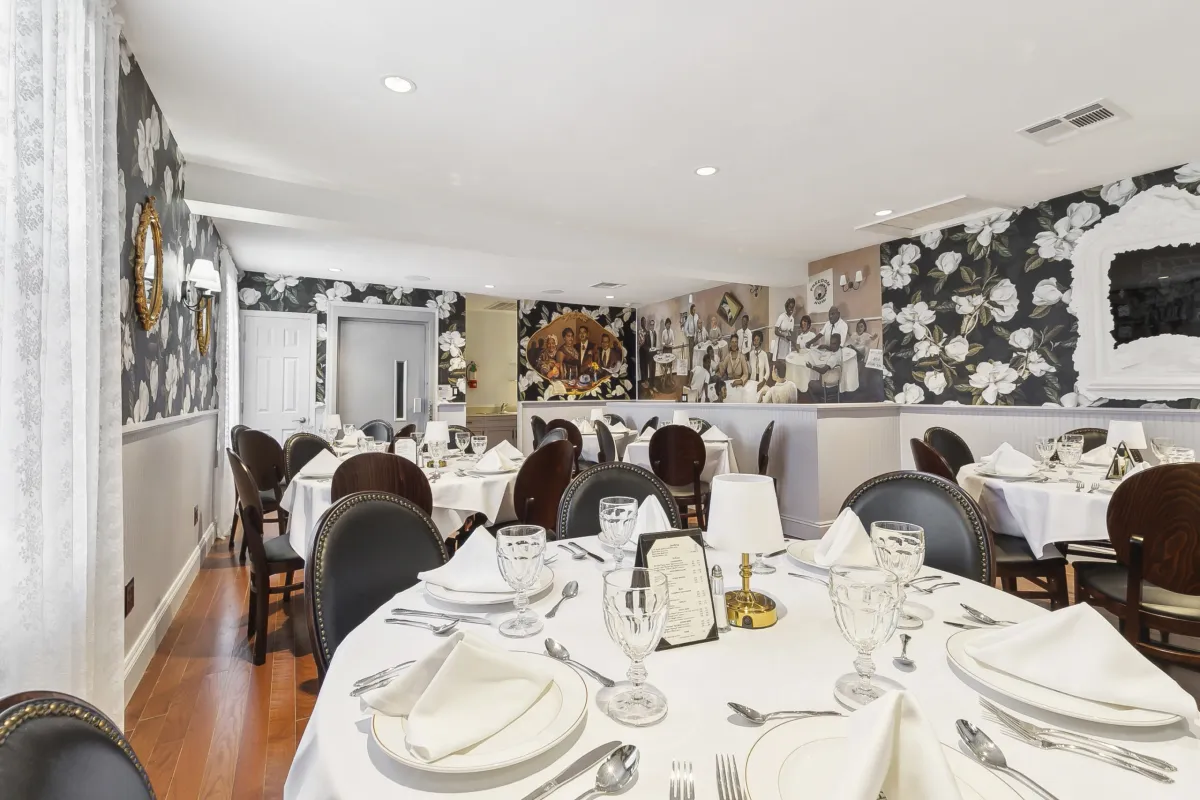 Photo: Dooky Chase's Restaurant, via rggc.com
Her weapon of choice? Authentic Creole cuisine that was so exceptional, so undeniably delicious, that it gave people a reason to cross lines they'd never crossed before. Chase understood something that trained restaurateurs often missed: food creates intimacy, and intimacy dissolves prejudice.
Every bowl of gumbo served was an act of quiet rebellion. Every shared meal was a statement that humanity mattered more than hate.
The Dining Room Where Freedom Was Planned
By the 1960s, Dooky Chase's had become an unofficial headquarters for the civil rights movement in New Orleans. Thurgood Marshall planned legal strategies over plates of fried chicken. Ray Charles and Lena Horne performed impromptu concerts between courses. Local activists met with national leaders, all united by Chase's belief that her dining room could be neutral ground in a divided city.
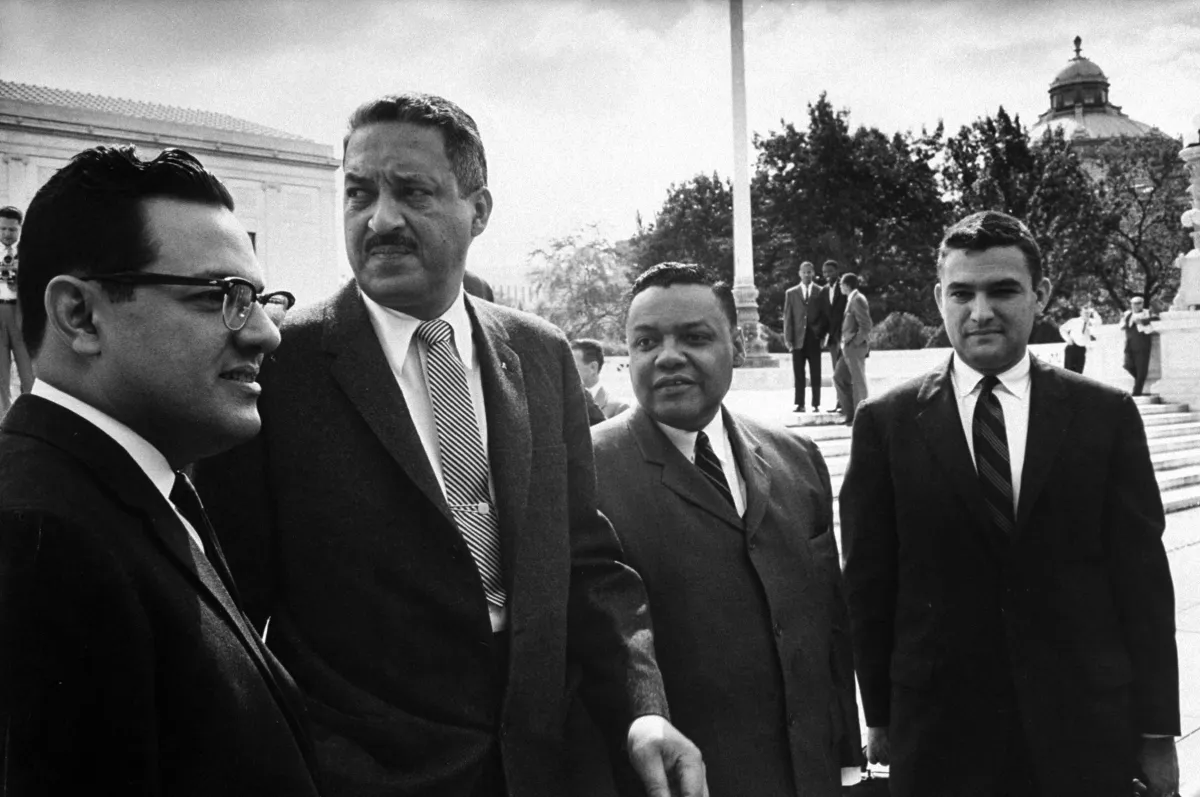 Photo: Thurgood Marshall, via api.time.com
Chase created this sanctuary not through political connections or institutional power, but through the simple act of cooking with love and serving with dignity. She proved that ordinary spaces could become extraordinary when guided by extraordinary conviction.
Breaking Rules With Every Meal
Operating an integrated restaurant in 1960s New Orleans required constant vigilance and considerable courage. Chase faced threats from segregationists, pressure from city officials, and the ever-present possibility of violence. Yet she never stopped serving anyone who came to her door with respect.
Her approach was deceptively simple: treat every customer like family, regardless of race or status. This philosophy sounds obvious now, but in Jim Crow Louisiana, it was revolutionary. Chase was using Southern hospitality to dismantle Southern segregation, one meal at a time.
The Power of Authentic Flavor
What made Chase's strategy so effective was the undeniable quality of her food. She couldn't rely on formal training or celebrity connections—instead, she perfected recipes passed down through generations of Creole cooks, adding her own innovations born from necessity and creativity.
Her gumbo became legendary not because food critics praised it, but because civil rights workers traveled hundreds of miles to taste it. Her fried chicken drew lines around the block not because of marketing campaigns, but because word spread through communities that had learned to trust authentic recommendations.
Chase proved that excellence speaks louder than credentials, especially when that excellence comes wrapped in genuine care for every person who walks through your door.
Legacy Beyond the Kitchen
Leah Chase continued cooking and serving until she was 96 years old, never losing her belief that food could heal divisions and build understanding. Presidents dined at her tables, celebrities sought her recipes, and historians documented her contributions to American civil rights.
But perhaps her greatest achievement was showing that revolution doesn't always require marches or speeches. Sometimes it just requires someone willing to serve dignity alongside dinner, creating spaces where humanity can flourish despite the hatred surrounding it.
The Recipe for Change
Chase's story resonates beyond civil rights history because it demonstrates how ordinary people can create extraordinary change through the simple act of treating others with respect. She never held political office, never gave famous speeches, never led protest marches.
Instead, she cooked. She served. She welcomed. She proved that the kitchen can be as powerful as the courthouse when it comes to advancing justice.
In an America still grappling with division, Leah Chase's example reminds us that change often begins not with grand gestures, but with the daily decision to treat every person who enters our space as deserving of dignity, respect, and the best we have to offer.
Her restaurant may have been just one building in one neighborhood, but the principles she practiced there—hospitality over hatred, inclusion over isolation, love over fear—remain a blueprint for anyone seeking to make their corner of the world a little more just.