From Chains to Chapters: The Forgotten Woman Who Wrote America's First Black Cookbook
In 1866, a woman named Malinda Russell walked into a printing shop in Paw Paw, Michigan, carrying a handwritten manuscript that would make history. She had no formal education, no publishing connections, and barely enough money to pay for the printing. What she did have were recipes passed down from her grandmother and a determination forged in the fires of slavery.
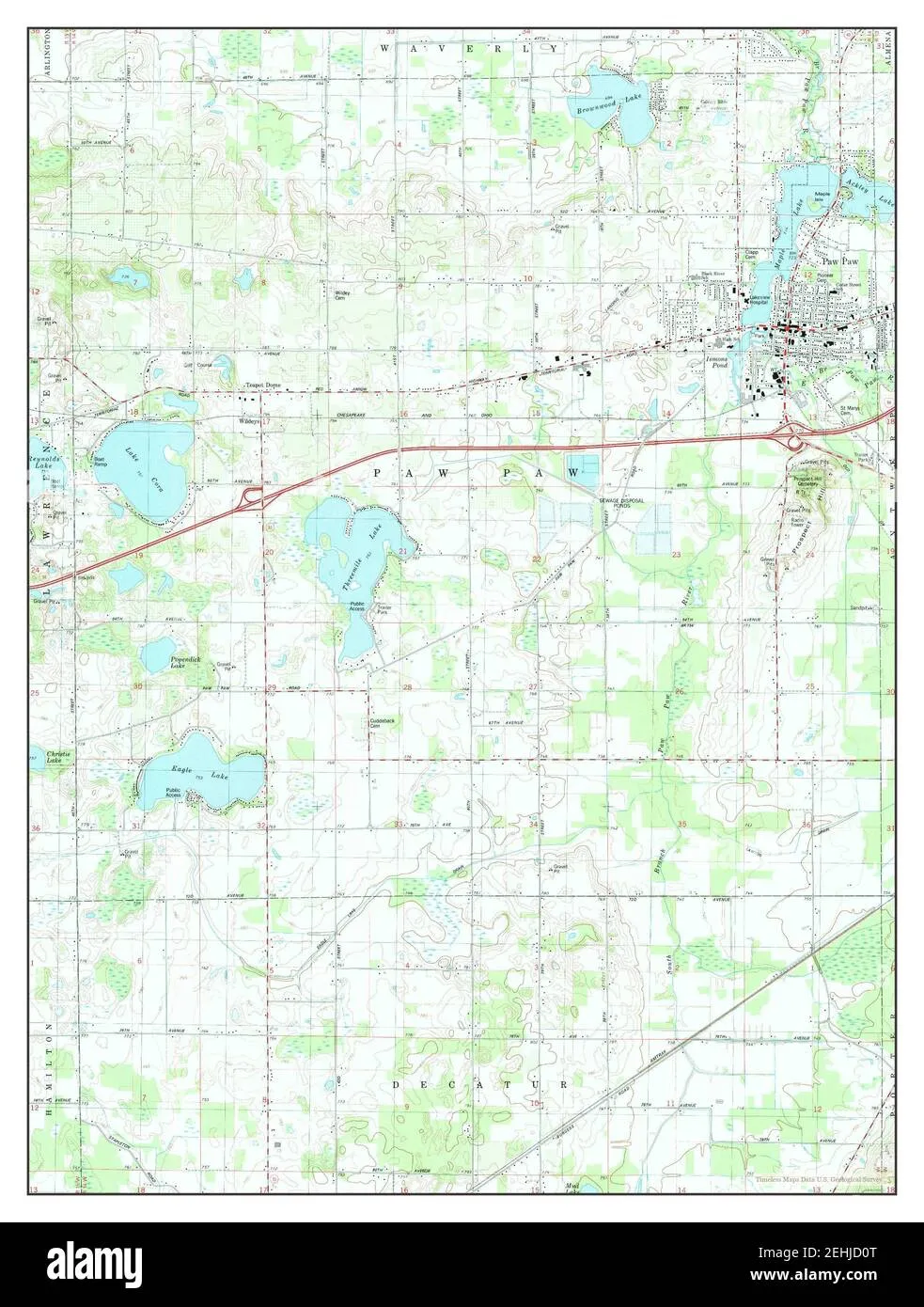 Photo: Paw Paw, Michigan, via c8.alamy.com
 Photo: Malinda Russell, via malindarussell.files.wordpress.com
The Journey North
Russell's path to authorship began in the most unlikely place: a plantation in Tennessee. Born into bondage, she learned to cook from her grandmother, absorbing not just techniques but stories, traditions, and the careful adaptations that enslaved cooks made when working with whatever ingredients they could find or grow in secret gardens.
When the opportunity came to escape, Russell made a choice that would define American food history. She fled north, carrying nothing tangible except the recipes burned into her memory. Unlike the thousands of other freedom seekers who headed to major cities, Russell ended up in Paw Paw, a tiny railroad town in southwestern Michigan where a Black woman with cooking skills could find work.
Building a Life from Scratch
In Paw Paw, Russell did what survival demanded: she cooked. She fed railroad workers, boardinghouse guests, and anyone else who would pay for a meal. But Russell was doing more than just making a living. She was documenting a cuisine that had been invisible to the wider world, recording the techniques and adaptations that enslaved and formerly enslaved cooks had developed over generations.
The recipes she collected weren't just instructions for food preparation. They were acts of cultural preservation, capturing flavors and methods that might otherwise have been lost. Her gingerbread recipe called for techniques she'd learned watching her grandmother work. Her instructions for making coffee included alternatives for when real coffee beans weren't available – knowledge born from the scarcity of slavery.
The Book That Almost Wasn't
By 1866, Russell had saved enough money to do something unprecedented: publish her own cookbook. "A Domestic Cook Book: Containing a Careful Selection of Useful Receipts for the Kitchen" emerged from that Paw Paw printing press with almost no fanfare. At just 39 pages, it contained recipes for everything from "Corn Cake" to "Nice Biscuit" to "Apple Custard."
The book's introduction revealed Russell's remarkable perspective. She wrote simply and directly, acknowledging her lack of formal education but asserting the value of her experience. She wasn't trying to compete with the elaborate cookbooks written by formally trained chefs. She was offering something different: practical knowledge tested in real kitchens by someone who understood what it meant to make something from nothing.
The Century of Silence
What happened next was perhaps the most tragic part of Russell's story: nothing. The cookbook sold a few copies locally and then disappeared into obscurity. No food magazines reviewed it. No culinary historians noted its significance. For over a century, Russell's pioneering achievement went unrecognized, a victim of the same systemic invisibility that had marked her entire life.
Meanwhile, cookbooks by white authors from the same period were preserved in libraries, studied by scholars, and celebrated as foundational texts of American cuisine. Russell's contribution to American food culture remained buried, known only to a handful of collectors who happened across rare copies.
Rediscovery and Recognition
It wasn't until the 1980s that food historians began to understand what they'd overlooked. Scholars researching African American culinary traditions stumbled across references to Russell's cookbook and began hunting for copies. What they found was revolutionary: clear evidence that Black Americans had been documenting and sharing their culinary knowledge much earlier than anyone had realized.
Russell's recipes revealed sophisticated cooking techniques and ingredient combinations that challenged prevailing assumptions about 19th-century American food. Her approach to seasoning, her use of available substitutions, and her practical cooking methods showed a level of culinary creativity that had been systematically ignored.
The Legacy Hidden in Plain Sight
Today, culinary historians recognize Russell as a pivotal figure in American food history, but her influence extends far beyond individual recipes. She represents thousands of unnamed Black cooks whose knowledge and creativity shaped American cuisine without receiving credit or recognition.
Russell's story forces us to reckon with how food history gets written and preserved. Her cookbook survived not because institutions valued it, but because a few individual collectors happened to keep copies. How many other voices were lost entirely?
More Than Recipes
Russell's achievement wasn't just about publishing a cookbook. She was asserting her right to be heard in a country that had spent decades denying her basic humanity. Every recipe she recorded was an act of cultural defiance, a refusal to let knowledge die with its keepers.
Her path from slavery to authorship illustrates something profound about American possibility and American blindness. Russell created something genuinely important, but it took more than a century for the rest of the country to notice. Her story reminds us that groundbreaking work often happens in unexpected places, done by people the world isn't ready to see.
In the end, Malinda Russell's cookbook stands as more than a collection of recipes. It's proof that the most important contributions to American culture sometimes come from the people and places we're least likely to look – and that the wrong path through history might actually be the right one.