Coffee and a Side of Revolution: How Rhode Island's Desperate Diners Accidentally Built Fast Food
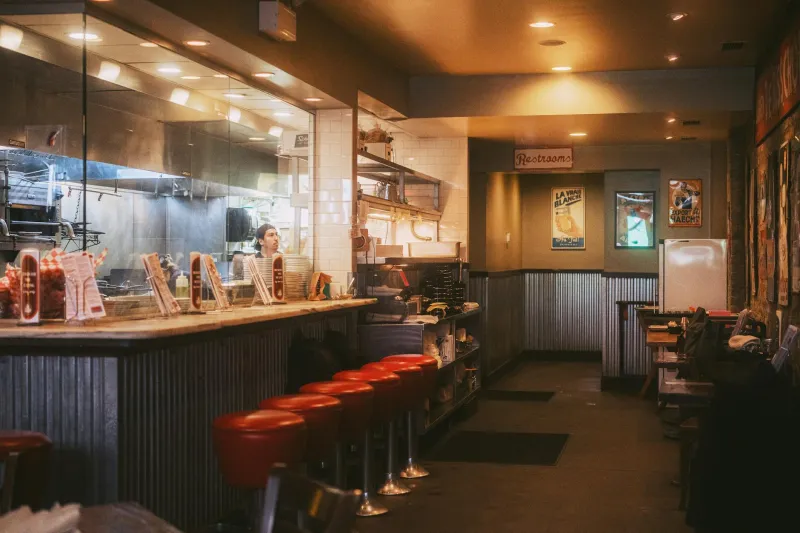
The revolution started with desperation and a cup of coffee that cost a nickel. In the 1920s, along the industrial waterfronts of Providence, Rhode Island, a handful of struggling immigrant families were running tiny diners that barely kept them afloat. They had no grand vision of changing American dining. They just needed to serve more customers, faster, or they'd lose everything.
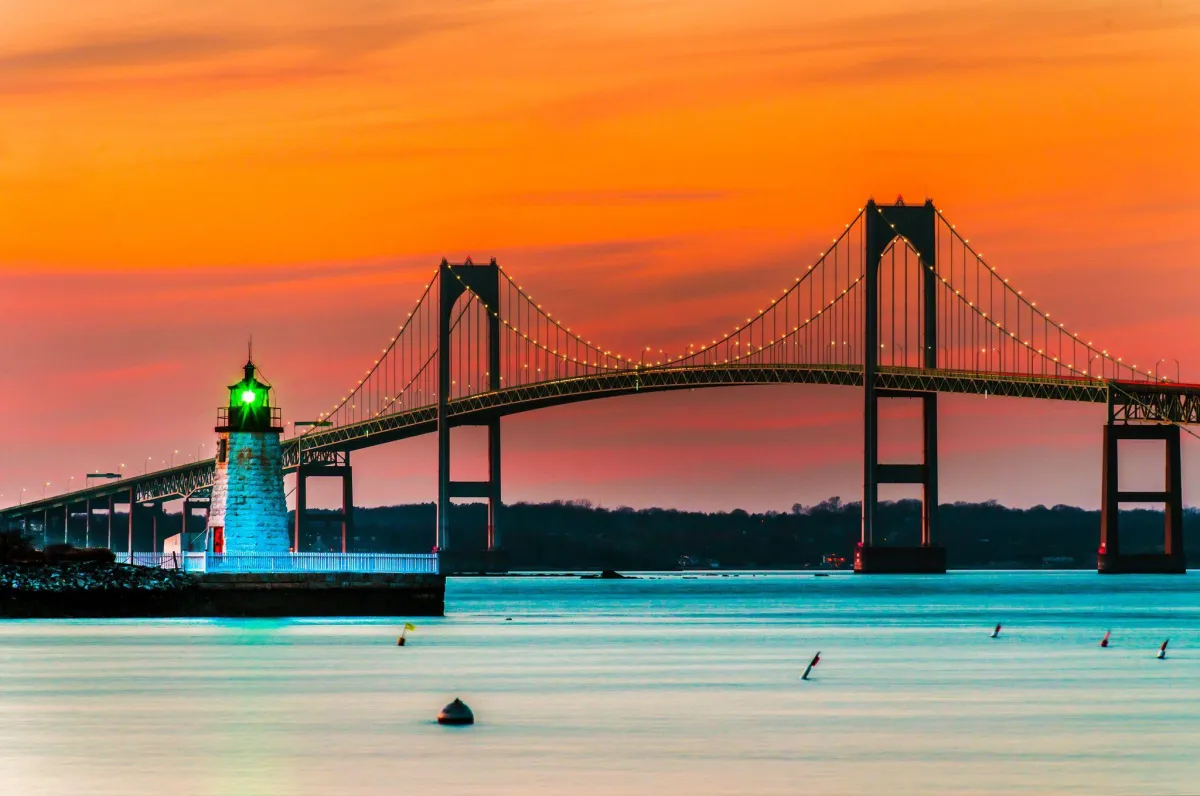 Photo: Rhode Island, via wallpapercave.com
What they stumbled onto in those cramped, steamy kitchens would become the template for an industry worth hundreds of billions of dollars. But the people who invented it never got rich.
The Waterfront Gamble
Rhode Island in the 1920s was a state built on manufacturing – textiles, jewelry, machinery. The waterfronts of Providence buzzed with workers who needed to eat quickly and cheaply. Most restaurants of the era were sit-down affairs with table service and printed menus. But immigrant entrepreneurs like the Boudreaus, the Olneyville Boys, and dozens of other families couldn't afford that kind of operation.
Instead, they set up in converted railway cars, tiny storefronts, and whatever spaces they could rent near the docks and factories. These weren't restaurants in any traditional sense. They were survival operations, designed to squeeze maximum efficiency out of minimal space and capital.
The Accidental Innovation
The breakthrough came from necessity. With only one or two people working each diner, owners couldn't afford to take individual orders, cook them separately, and serve them at tables. They needed a system that could feed dozens of workers during short lunch breaks.
The solution emerged organically: pre-cook popular items, keep them warm, and serve them immediately when customers walked in. Coffee stayed hot on the burner. Hamburgers and hot dogs were grilled in batches. Simple sides like beans and coleslaw were prepared in advance and portioned quickly.
Customers didn't sit down and wait. They stood at a counter, ordered from a limited menu of items that could be served immediately, ate quickly, and left. The entire transaction took minutes, not the half-hour or more required at traditional restaurants.
The Rhode Island System
What emerged was something entirely new in American dining: the fast-food restaurant. Rhode Island diners developed what locals called "the system" – a standardized approach to quick service that maximized turnover while minimizing labor costs.
The menu was deliberately limited. Most places offered hamburgers, hot dogs, coffee, and a few simple sides. The limited options meant ingredients could be purchased in bulk and prepared efficiently. Workers could master the entire menu quickly, reducing training time and mistakes.
The physical layout was optimized for speed. Grills were positioned for maximum efficiency. Condiments and toppings were pre-portioned and easily accessible. Even the customer flow was designed to minimize bottlenecks – order here, pay there, pick up food at the end.
The Secret Sauce of Success
The Rhode Island system worked because it solved real problems for real people. Factory workers got hot, filling food in minutes rather than the lengthy lunch breaks they couldn't afford. Diner owners could serve far more customers per hour than traditional restaurants, making up for thin profit margins with volume.
But the innovation went deeper than just speed. These diners created a new kind of dining experience that was democratic in ways that traditional restaurants weren't. There were no dress codes, no table manners to worry about, no tipping expectations. Anyone with a few coins could get a good meal quickly.
The food itself was designed for this new reality. Rhode Island's famous "coffee milk" – coffee syrup mixed with regular milk – became a signature drink partly because it could be prepared instantly and didn't require brewing fresh coffee for each customer. The state's distinctive hot wieners were perfect fast food: pre-cooked, quickly reheated, and eaten by hand.
The Quiet Spread
Word of the Rhode Island system spread through informal networks – family members who moved to other cities, suppliers who saw the efficiency, competitors who copied successful techniques. By the 1930s, similar operations were appearing in Connecticut, Massachusetts, and New York.
But the real transformation came when larger operators began to notice. The founders of White Castle studied Rhode Island diners and adapted their techniques for a national chain. Other entrepreneurs took note of the standardized menus, efficient layouts, and quick-service model.
The Big Boys Take Over
By the 1950s, major chains were systematizing and scaling what Rhode Island's immigrant families had pioneered. McDonald's, Burger King, and other national brands took the basic fast-food concept and applied industrial-scale efficiency, national marketing, and corporate capital.
The original Rhode Island diners couldn't compete with that level of resources. Many closed or were bought out. The families who had invented fast food found themselves pushed aside by the industry they had created.
The Unsung Pioneers
Today, Rhode Island still has more diners per capita than any other state, many of them still family-owned operations that trace their lineage back to those original waterfront pioneers. But few Americans realize they're experiencing the original version of something that conquered the world.
The immigrant families who created fast food were solving immediate, local problems. They needed to feed hungry workers quickly and profitably. They couldn't have imagined that their survival strategies would become the foundation of a global industry.
Lessons from the Lunch Counter
The Rhode Island story reveals something important about innovation: the biggest breakthroughs often come from people who aren't trying to revolutionize anything. They're just trying to survive, to solve immediate problems with the resources they have available.
The techniques developed in those cramped Providence diners – limited menus, batch cooking, counter service, quick turnover – became the DNA of modern fast food. But they emerged from necessity, not grand strategy.
The Revolution Nobody Noticed
In the end, Rhode Island's contribution to American dining culture was massive but invisible. The state's immigrant families created the template for an industry that now employs millions and feeds hundreds of millions, but their names aren't on any corporate logos.
Their story reminds us that the most important innovations often happen in the most unlikely places, driven by people who are just trying to make it through another day. Sometimes the wrong path – the one that leads away from traditional approaches – turns out to be exactly the right direction.