Nobody Believed In Them First: 7 American Companies That Almost Didn't Happen
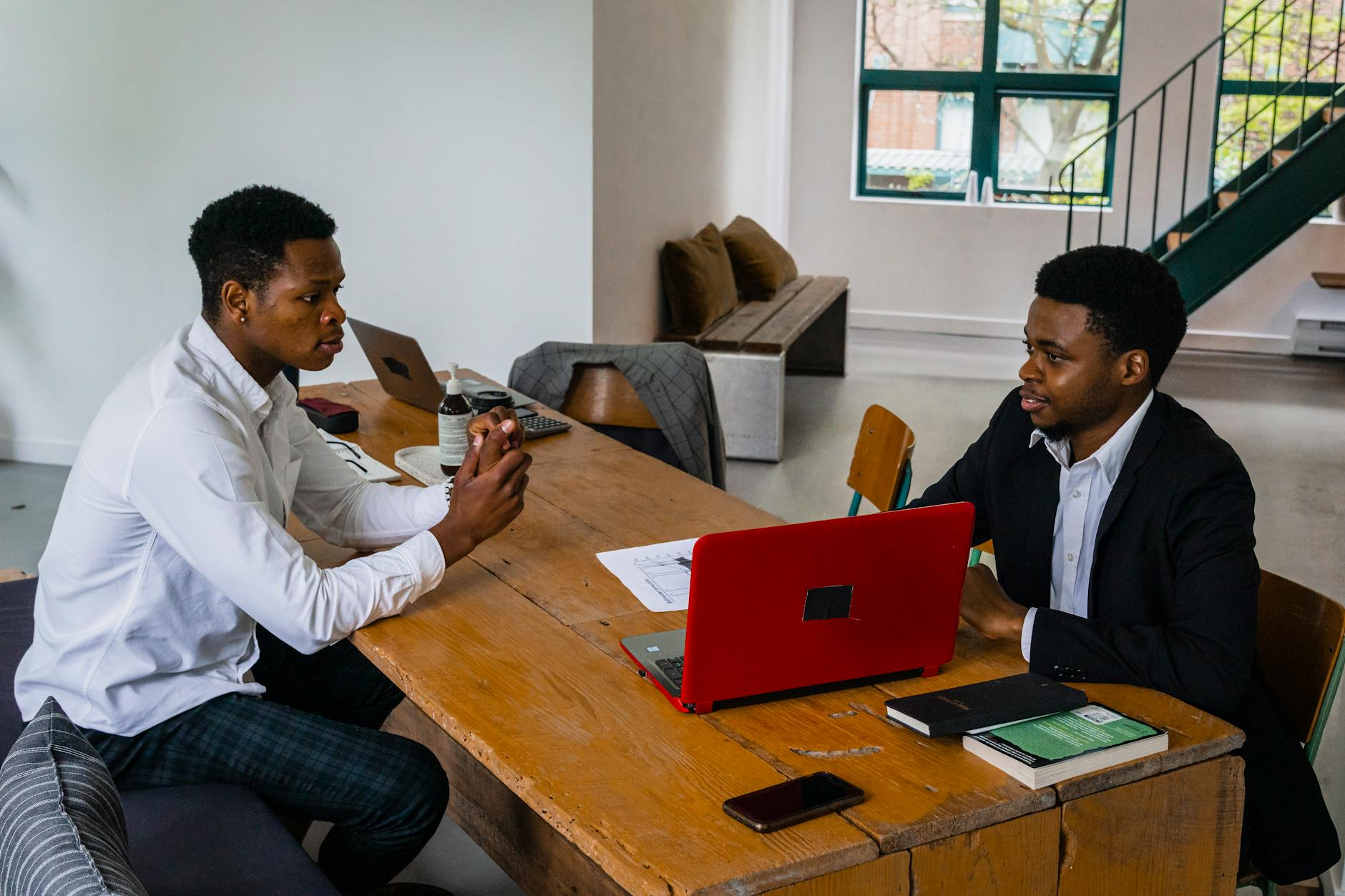
Nobody Believed In Them First: 7 American Companies That Almost Didn't Happen
Before FedEx was a verb and before you could Airbnb your apartment, these companies were punchlines. Dismissed by investors, failed by banks, and written off by people who should have known better — the businesses that built modern America all started in the same place: nowhere.
1. FedEx: The C-Minus Idea That Delivered Anyway
In 1965, a Yale undergraduate named Fred Smith turned in an economics paper outlining a new kind of shipping company — one built around a hub-and-spoke model that could guarantee overnight delivery anywhere in the country. His professor reportedly gave him a C, with a note suggesting the concept wasn't realistic.
Smith didn't throw the paper away.
Eight years later, FedEx launched its first night of operations, delivering 186 packages to 25 cities. The company nearly collapsed in its first year — at one point, Smith used his last $5,000 to play blackjack in Las Vegas, won $27,000, and used the winnings to keep the planes in the air for one more week while he hunted for financing.
Today, FedEx handles over 15 million shipments per day. The professor's grade, history has quietly overruled.
2. Airbnb: Three Air Mattresses and a Whole Lot of Rejection
In 2008, Brian Chesky and Joe Gebbia were broke in San Francisco, unable to make rent. They bought three air mattresses, threw them on their apartment floor, and rented the space to strangers attending a design conference. They made $1,000 that week and thought they might be onto something.
Seven major venture capital firms disagreed. One investor reportedly told them the idea was "too niche." Another said people would never trust strangers in their homes. The rejection letters piled up.
Chesky and Gebbia kept going, funding the company by selling novelty cereal boxes — "Obama O's" and "Cap'n McCains" — during the 2008 election season. They raised $30,000 in cereal money and kept the lights on long enough to convince Y Combinator to take a chance.
Airbnb is now valued at over $75 billion. The VC firms that passed have presumably stopped mentioning it at meetings.
3. Walt Disney: Fired for Lacking Imagination
In 1919, a young Walt Disney was let go from his job at the Kansas City Star newspaper. The editor's reason: he "lacked imagination and had no good ideas."
Disney went on to fail at several more ventures before scraping together enough to start a small animation studio in Hollywood in 1923. He lost the rights to his first successful character — Oswald the Lucky Rabbit — to a distributor who outmaneuvered him in a contract dispute. Broke and starting over, he sketched a new character on a train ride back to California.
He called the character Mickey.
The rest requires no summary. What does bear noting is that the man who built the most recognizable entertainment empire in human history was once told, by a professional editor, that he had no ideas worth having.
4. Apple: The Company Steve Jobs Almost Wasn't Allowed to Start
Before Apple was Apple, it was two guys in a garage — Steve Jobs and Steve Wozniak — trying to sell a circuit board kit to hobbyists. Jobs approached Atari and HP about partnering with them. Both passed. HP reportedly told Wozniak, who worked there at the time, that they simply had no interest in personal computers.
The Apple I sold modestly. The Apple II changed everything. But even then, the road was rocky: when Jobs returned to Apple in 1997 after being pushed out of the company he'd founded, he inherited an organization that was 90 days from bankruptcy.
He launched the iMac. Then the iPod. Then the iPhone. Then the App Store. Then a company worth, at its peak, over three trillion dollars — more than the GDP of most countries.
HP eventually made personal computers. They were fine.
5. Oprah Winfrey Network: The Failure That Wasn't Finished
Oprah Winfrey's television career began with a firing. At 22, she was let go from her job as a TV reporter in Baltimore — told she was "too emotionally invested in her stories" and that her look wasn't right for the camera.
She landed a morning talk show slot in Baltimore as a consolation, almost by accident. She turned it into a national phenomenon. The Oprah Winfrey Show ran for 25 seasons, made her the first Black female billionaire in American history, and built a media empire that included a magazine, a production company, and eventually OWN — the Oprah Winfrey Network.
OWN itself had a rocky start, struggling for ratings in its early years and widely written off by media critics. Oprah doubled down, restructured, and turned it into a profitable cable network. The woman who was told she wasn't camera-ready ended up owning the camera.
6. Starbucks: The Idea Nobody Wanted to Buy Into
Howard Schultz didn't start Starbucks. He discovered it — a small Seattle coffee bean retailer — while working in sales, and immediately saw something bigger. He pitched the owners on transforming it into an Italian-style espresso bar experience. They thought the idea was ridiculous and passed.
Schultz left, raised money, and opened his own coffee shop called Il Giornale. He was rejected by 217 of the 242 investors he approached. The ones who did invest were, in his words, "mostly doing it as a favor."
He eventually bought Starbucks in 1987 for $3.8 million. There are now over 35,000 locations in 80 countries. The original owners, who thought the espresso bar idea was a stretch, sold a regional coffee bean shop and watched it become a global shorthand for morning.
7. Instagram: The App That Pivoted Its Way to a Billion Dollars
Instagram didn't start as Instagram. Kevin Systrom and Mike Krieger built a location-based social app called Burbn — a cluttered, complicated product that tried to do too many things at once. It wasn't working. Users were confused. Investors were skeptical.
Instead of folding, the two founders looked at what people were actually doing with the app. They were sharing photos. That was it. Everything else was noise.
They stripped the product down to almost nothing, rebuilt it around photo-sharing, and relaunched as Instagram in 2010. It had 25,000 users on its first day. Within eighteen months, Facebook acquired it for $1 billion — a number that seemed insane at the time and looks like a bargain now.
The pivot from a broken app to a cultural phenomenon took about eight weeks of work and a willingness to admit the original idea wasn't the right one.
The Pattern Nobody Planned
Look at these seven stories long enough and something emerges that isn't really about business at all. It's about the gap between how things look at the beginning and how they end up. FedEx nearly died in its first year. Disney was fired for lacking imagination. Airbnb funded itself with novelty cereal.
None of them followed the expected path, because the expected path didn't exist for what they were trying to build. The rejection, the failure, the C-minus grade — none of it was the end of the story. It was just the part that came before.
The companies that changed how America works all had one thing in common: at some point, everyone who was supposed to know better told them it wouldn't work.
They went ahead anyway.